
GLASS & ALUMINUM
BLOG
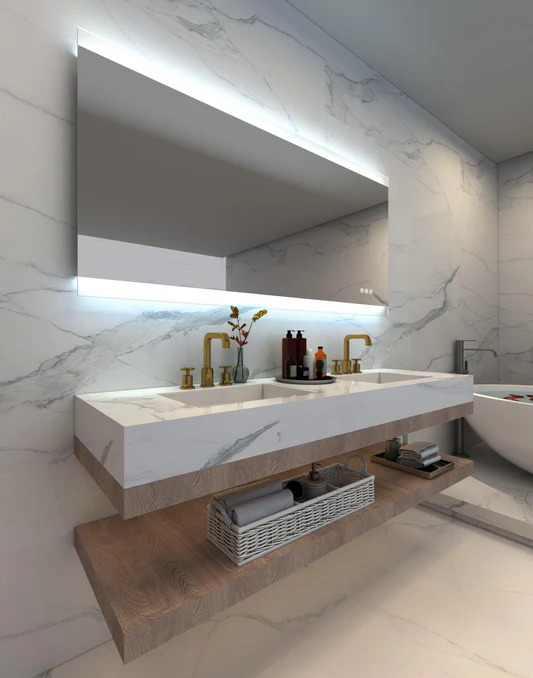
Are LED Mirrors Energy Efficient?
Lighting plays a crucial role in modern interiors, especially in spaces like bathrooms, bedrooms, and dressing areas. With advancements in technology, led mirrors have become a popular choice for homeowners and designers alike. These mirrors combine functionality with aesthetics, offering built-in lighting that enhances both visibility and style.
But one of the most common questions people ask is whether LED mirrors are truly energy efficient. The answer is yes—and in this guide, we’ll explore why they are considered a smart, energy-saving solution for modern living.
What Are LED Mirrors?
LED mirrors are mirrors equipped with integrated LED lighting, usually built into the frame or behind the mirror surface. These lights provide even illumination, making them ideal for grooming, makeup application, and general use.
A typical led bathroom mirror is designed to deliver both functionality and elegance, often featuring additional elements like touch controls, anti-fog technology, and adjustable brightness.
Understanding Energy Efficiency
Energy efficiency refers to using less electricity to achieve the same or better performance. LED technology is widely known for its ability to produce bright light while consuming significantly less power compared to traditional lighting options.
When applied to mirrors, this technology offers excellent illumination without increasing energy consumption.
How LED Technology Saves Energy
LED (Light Emitting Diode) lights are far more efficient than incandescent or fluorescent bulbs.
Key Reasons:
- LEDs convert more energy into light rather than heat
- They require lower wattage to produce the same brightness
- They have minimal energy loss
This means that using led mirrors can significantly reduce electricity usage over time.
Lower Power Consumption
One of the biggest advantages of LED mirrors is their low power consumption. Traditional bulbs often require higher wattage to achieve adequate lighting, while LEDs provide brighter illumination with less energy.
For example, a led vanity mirror can deliver excellent lighting for grooming tasks while consuming only a fraction of the electricity used by conventional lighting systems.
Long Lifespan
LED lights are designed to last much longer than traditional bulbs. While incandescent bulbs may last around 1,000 hours, LED lights can last up to 50,000 hours or more.
Benefits of Long Lifespan:
- Fewer replacements
- Reduced maintenance costs
- Lower environmental impact
This durability adds to their overall energy efficiency and cost-effectiveness.
Reduced Heat Emission
Unlike traditional lighting, LEDs emit very little heat. This not only improves safety but also contributes to energy efficiency.
Why This Matters:
- Less energy wasted as heat
- Cooler operation
- Reduced strain on air conditioning systems
A mirror with led lights is therefore more efficient and comfortable to use, especially in warm climates.
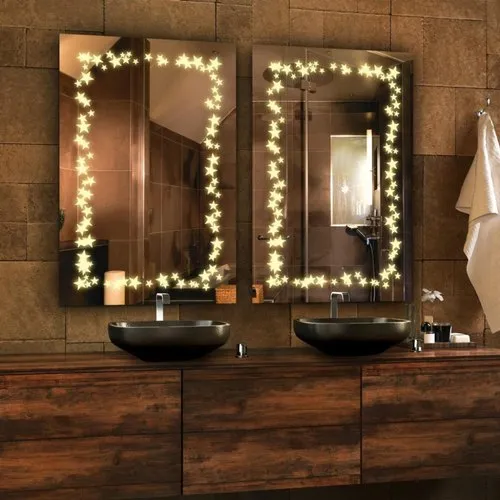
Smart Features for Better Efficiency
Many modern LED mirrors come with advanced features that further enhance energy savings.
Common Features:
- Touch sensors for easy control
- Dimmable lighting options
- Motion sensors for automatic operation
- Anti-fog technology
These features ensure that energy is used only when needed, reducing unnecessary power consumption.
Improved Lighting Quality
Energy efficiency isn’t just about saving electricity—it’s also about performance. LED mirrors provide high-quality lighting that is evenly distributed and free from harsh shadows.
This makes them ideal for tasks that require precision, such as makeup application or shaving.
A led wall mirror can enhance both functionality and ambiance, making it a valuable addition to any space.
Eco-Friendly Benefits
LED mirrors are not only energy-efficient but also environmentally friendly.
Environmental Advantages:
- Lower carbon footprint
- Reduced energy consumption
- No harmful chemicals like mercury
By choosing LED lighting, you contribute to a more sustainable lifestyle.
Transform Your Space with Premium Architectural Glass
Custom laminated, decorative & luxury glass solutions for villas, hotels and commercial projects.
Cost Savings Over Time
While LED mirrors may have a higher initial cost compared to traditional mirrors, they offer significant savings in the long run.
Cost Benefits:
- Lower electricity bills
- Minimal maintenance
- Long-lasting performance
These factors make LED mirrors a smart investment for homeowners.
Ideal for Modern Homes
Modern interiors prioritize efficiency, convenience, and style. LED mirrors perfectly align with these requirements.
They are commonly used in:
- Bathrooms
- Bedrooms
- Dressing areas
- Commercial spaces
Their sleek design and integrated lighting make them both practical and visually appealing.
Comparison with Traditional Lighting
When compared to traditional lighting options, LED mirrors clearly stand out.
Traditional Lighting:
- Higher energy consumption
- Shorter lifespan
- More heat emission
LED Mirrors:
- Energy-efficient
- Long-lasting
- Minimal heat output
This comparison highlights why LED mirrors are becoming the preferred choice.
Easy Installation and Maintenance
LED mirrors are designed for easy installation and require minimal upkeep.
Maintenance Tips:
- Clean the mirror surface regularly
- Avoid excessive moisture exposure to electrical components
- Check connections periodically
Their low maintenance requirements further enhance their practicality.
Safety and Reliability
LED mirrors are designed with safety in mind. They operate at lower voltages and generate less heat, reducing the risk of accidents.
Many models also include features like waterproofing and anti-fog functionality, making them suitable for bathroom environments.
Final Thoughts
LED mirrors are indeed energy efficient, offering a combination of low power consumption, long lifespan, and high performance. Their ability to provide bright, even lighting while using minimal energy makes them an excellent choice for modern homes.
From reducing electricity bills to enhancing interior aesthetics, LED mirrors deliver both functional and environmental benefits. Whether you’re upgrading your bathroom or designing a new space, investing in LED mirrors is a smart and sustainable decision.
Frequently Asked Questions
Are LED mirrors more energy efficient than regular mirrors with lights?
Yes, LED mirrors use less electricity while providing better illumination.
Do LED mirrors increase electricity bills?
No, they help reduce energy consumption and lower electricity costs.
How long do LED mirrors last?
LED lights can last up to 50,000 hours or more.
Are LED mirrors safe for bathrooms?
Yes, most models are designed to be moisture-resistant and safe for bathroom use.
Can LED mirrors be used in other rooms?
Yes, they are suitable for bedrooms, dressing areas, and commercial spaces.
Do LED mirrors require special maintenance?
No, they require minimal maintenance and are easy to clean.
Are LED mirrors eco-friendly?
Yes, they consume less energy and have a lower environmental impact.