
GLASS & ALUMINUM
BLOG
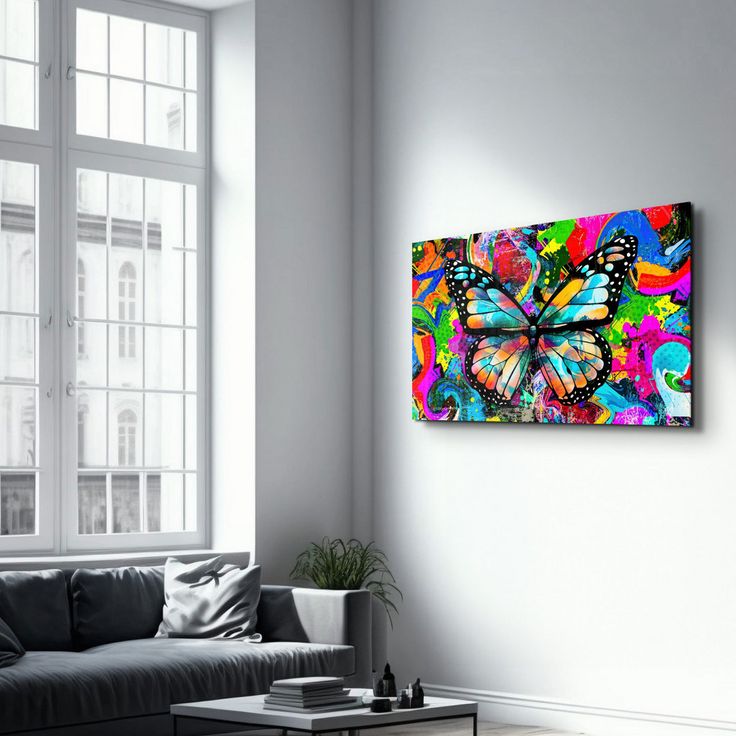
Best Lighting Techniques for Glass Wall Decoration
Glass wall decoration has become one of the most popular design elements in modern interiors. Homes, offices, hotels, restaurants, and commercial spaces increasingly use decorative glass features to create elegant and visually appealing environments. Glass surfaces add sophistication, openness, and a contemporary touch while enhancing the way light interacts within a space.
However, the true beauty of glass wall decoration often depends on lighting. Proper lighting techniques can dramatically improve the appearance of decorative glass by highlighting textures, reflections, colors, and design patterns. Without suitable lighting, even the most beautifully crafted glass features may lose their visual impact.
In modern interior design, lighting is not simply used for visibility. It plays an essential role in setting mood, emphasizing architectural details, and creating a balanced atmosphere. When combined effectively with decorative glass walls, lighting transforms ordinary interiors into stylish and luxurious spaces.
The Importance of Lighting in Interior Design
Lighting affects how people experience a space. It influences mood, comfort, depth perception, and overall visual appeal. Good lighting can make rooms feel larger, brighter, warmer, or more relaxing depending on the design approach.
Decorative glass responds uniquely to light because of its reflective and transparent properties. Different lighting angles and intensities create varying effects on the surface, producing reflections, shadows, and highlights that enhance visual depth.
Proper lighting design ensures that decorative glass becomes a focal point within the room rather than blending unnoticed into the background.
Why Glass Wall Decoration Is Popular
Modern interiors increasingly favor open and elegant designs that maximize natural light and visual spaciousness. Decorative glass walls support these goals by creating a sense of openness while maintaining sophistication.
Glass wall decoration is used in living rooms, offices, hotels, restaurants, retail spaces, and luxury villas because it combines aesthetics with versatility. Frosted glass, textured panels, etched designs, and colored glass all contribute unique visual characteristics to interior spaces.
The reflective nature of glass also helps distribute light more effectively, making interiors appear brighter and more spacious.
Using Ambient Lighting for Soft Illumination
Ambient lighting provides general illumination throughout a room and creates the foundation for the overall lighting design.
For decorative glass walls, soft ambient lighting helps create a balanced and comfortable atmosphere. Ceiling lights, recessed fixtures, and concealed LED strips are commonly used to distribute light evenly across the space.
Warm ambient lighting creates a cozy environment, while cooler lighting tones support a cleaner and more contemporary appearance.
Balanced ambient lighting ensures that decorative glass remains visually appealing without creating excessive glare or reflections.
Transform Your Space with Premium Architectural Glass
Custom laminated, decorative & luxury glass solutions for villas, hotels and commercial projects.
Accent Lighting to Highlight Decorative Features
Accent lighting is one of the most effective techniques for emphasizing decorative glass walls. This type of lighting focuses attention on specific design elements, textures, or patterns.
Spotlights and directional LED fixtures can be positioned strategically to highlight etched designs, frosted sections, or textured surfaces. Accent lighting creates depth and visual contrast that enhances the decorative impact of the glass.
This technique is especially useful in luxury interiors where decorative walls serve as statement features within the room.
Backlighting for Dramatic Visual Effects
Backlighting is a popular modern technique that creates striking visual effects with decorative glass panels.
LED lighting placed behind frosted or translucent glass produces a soft glow that enhances the design while adding depth and elegance. Backlit glass walls are commonly used in hotels, restaurants, office receptions, and contemporary residential interiors.
This technique creates a sophisticated atmosphere and transforms decorative glass into an illuminated architectural feature.
Backlighting also works particularly well in low-light environments where subtle illumination is preferred.
Using Natural Light Effectively
Natural light is one of the most powerful tools in interior design. Decorative glass walls interact beautifully with daylight, creating reflections and enhancing brightness throughout the space.
Positioning decorative glass near windows or open areas allows sunlight to highlight textures and patterns naturally during the day.
However, controlling natural light is equally important. Excessive direct sunlight may create glare or overheating in some spaces. Combining natural light with adjustable artificial lighting helps maintain visual comfort throughout the day.
LED Strip Lighting for Modern Interiors
LED strip lighting has become increasingly popular in contemporary interior design because of its flexibility and sleek appearance.
These strips can be installed along the edges of glass panels, behind frames, or within wall recesses to create subtle illumination effects. LED strips are especially effective for minimalist interiors because they provide clean and continuous lighting without visible fixtures.
Their energy efficiency and customizable brightness levels also make them practical for residential and commercial applications.
Choosing the Right Color Temperature
Color temperature significantly influences how decorative glass appears within a room.
Warm white lighting creates a relaxing and elegant atmosphere, making it suitable for living rooms, hotels, and hospitality spaces. Cool white lighting provides sharper visibility and enhances modern minimalist designs.
Neutral white lighting offers a balanced appearance that works well in offices and commercial interiors.
Selecting the right color temperature helps ensure that the glass complements the surrounding interior design style.
Avoiding Excessive Glare and Reflections
While reflections are part of the beauty of decorative glass, excessive glare can become uncomfortable and reduce visual clarity.
Proper lighting placement is essential to avoid harsh reflections or overly bright hotspots on glass surfaces. Diffused lighting and indirect illumination often provide better results than intense direct lighting.
Professional lighting design ensures that decorative glass remains visually attractive without causing discomfort within the space.
Layered Lighting for Balanced Design
Modern interiors often use layered lighting techniques to create depth and flexibility.
Combining ambient, accent, and task lighting allows decorative glass walls to appear dynamic under different conditions. Layered lighting also helps adjust the mood and functionality of the room according to different activities and times of day.
This approach creates more visually balanced interiors and enhances the overall design experience.
Smart Lighting Integration
Smart lighting systems are becoming increasingly common in modern homes and commercial spaces.
Automated controls allow users to adjust brightness, color temperature, and lighting schedules according to preferences and activities. Decorative glass walls paired with smart lighting create highly customizable and interactive interiors.
Smart systems also improve energy efficiency by reducing unnecessary lighting usage.
Applications in Residential Spaces
In homes, decorative glass walls are commonly used in living rooms, dining areas, staircases, bathrooms, and partition walls.
Lighting techniques help these features blend naturally with furniture, flooring, and architectural details. Soft illumination creates a welcoming atmosphere while highlighting decorative craftsmanship.
Residential lighting design often prioritizes comfort and relaxation while maintaining visual elegance.
Applications in Commercial Spaces
Commercial interiors use decorative glass walls to create modern and professional environments.
Hotels, offices, retail stores, and restaurants frequently combine decorative glass with advanced lighting systems to improve branding and customer experience.
Well-lit decorative features help create memorable interiors that reflect quality and sophistication.
Energy Efficiency and Sustainability
Modern lighting design increasingly focuses on sustainability and energy efficiency.
LED technology consumes less power while providing high-quality illumination. Long-lasting lighting systems reduce maintenance costs and environmental impact.
Combining energy-efficient lighting with decorative glass supports sustainable interior design practices without compromising aesthetics.
Role of Safin Glass
Safin Glass specializes in delivering modern glass solutions designed to enhance residential and commercial interiors.
The company focuses on combining elegant craftsmanship with innovative design techniques to create decorative glass features that align with contemporary architectural trends. Their expertise includes customized glass wall solutions and advanced installation approaches that maximize both aesthetics and functionality.
By integrating modern lighting concepts with decorative glass systems, Safin Glass helps clients create visually impressive and sophisticated interior spaces.
Future Trends in Glass Wall Lighting
Interior design trends continue moving toward smarter and more immersive lighting experiences. Dynamic LED systems, programmable lighting effects, and integrated smart controls are expected to become even more popular.
Minimalist lighting fixtures and hidden illumination systems are also gaining attention for their clean and seamless appearance.
As technology continues evolving, decorative glass walls will likely become more interactive and customizable within modern interiors.
Conclusion
Lighting plays a critical role in enhancing the beauty and impact of decorative glass wall features. From ambient lighting and accent fixtures to backlighting and smart systems, the right lighting techniques transform decorative glass into a striking architectural element.
Modern interiors benefit greatly from the combination of glass and carefully planned illumination because it creates depth, elegance, and visual sophistication. Whether in residential or commercial spaces, proper lighting design helps decorative glass achieve its full aesthetic potential.
With professional expertise from companies like Safin Glass, homeowners and businesses can create stylish interiors where decorative glass and lighting work together to produce modern, luxurious, and visually balanced environments.
Frequently Asked Questions
Why is lighting important for decorative glass walls?
Lighting highlights textures, reflections, and patterns while enhancing the overall visual appeal of the glass.
What type of lighting works best for decorative glass?
Accent lighting, backlighting, and soft ambient lighting are commonly used to enhance decorative glass features.
Can LED lighting improve glass wall decoration?
Yes, LED lighting provides energy-efficient and customizable illumination that complements modern glass designs.
How can glare on glass surfaces be reduced?
Using diffused lighting and proper fixture placement helps minimize harsh reflections and glare.
Why choose Safin Glass for decorative glass solutions?
Safin Glass offers customized and high-quality decorative glass systems designed for modern interiors.