
GLASS & ALUMINUM
BLOG
Best Places to Install Vintage Mirrors at Home
There is something about a vintage mirror that changes the energy of a room the moment it goes on the wall. It is not just the reflection it provides. It is the depth, the character, the quiet confidence of a piece that has history and craft in its bones. Placed in the right location, a vintage mirror does not simply hang on a wall. It becomes the reason the wall exists.
The challenge most people face is not finding a mirror they love. It is knowing where to put it to achieve the effect they are imagining. The same mirror placed in two different positions within the same room can produce completely different results, and the wrong placement can diminish a beautiful piece while the right one makes it sing.
At Safin Glass, we supply antique mirror glass, decorative mirrors, and custom glass solutions for residential and commercial projects across Dubai. We understand how mirrors work in spaces, not just as reflective surfaces but as design elements with their own visual logic. Here is a room-by-room guide to the best places to install vintage mirrors at home.
Transform Your Space with Premium Architectural Glass
Custom laminated, decorative & luxury glass solutions for villas, hotels and commercial projects.
The Living Room Feature Wall
The living room is where a vintage mirror has the opportunity to make its most powerful statement, and the feature wall is the position that delivers it most reliably.
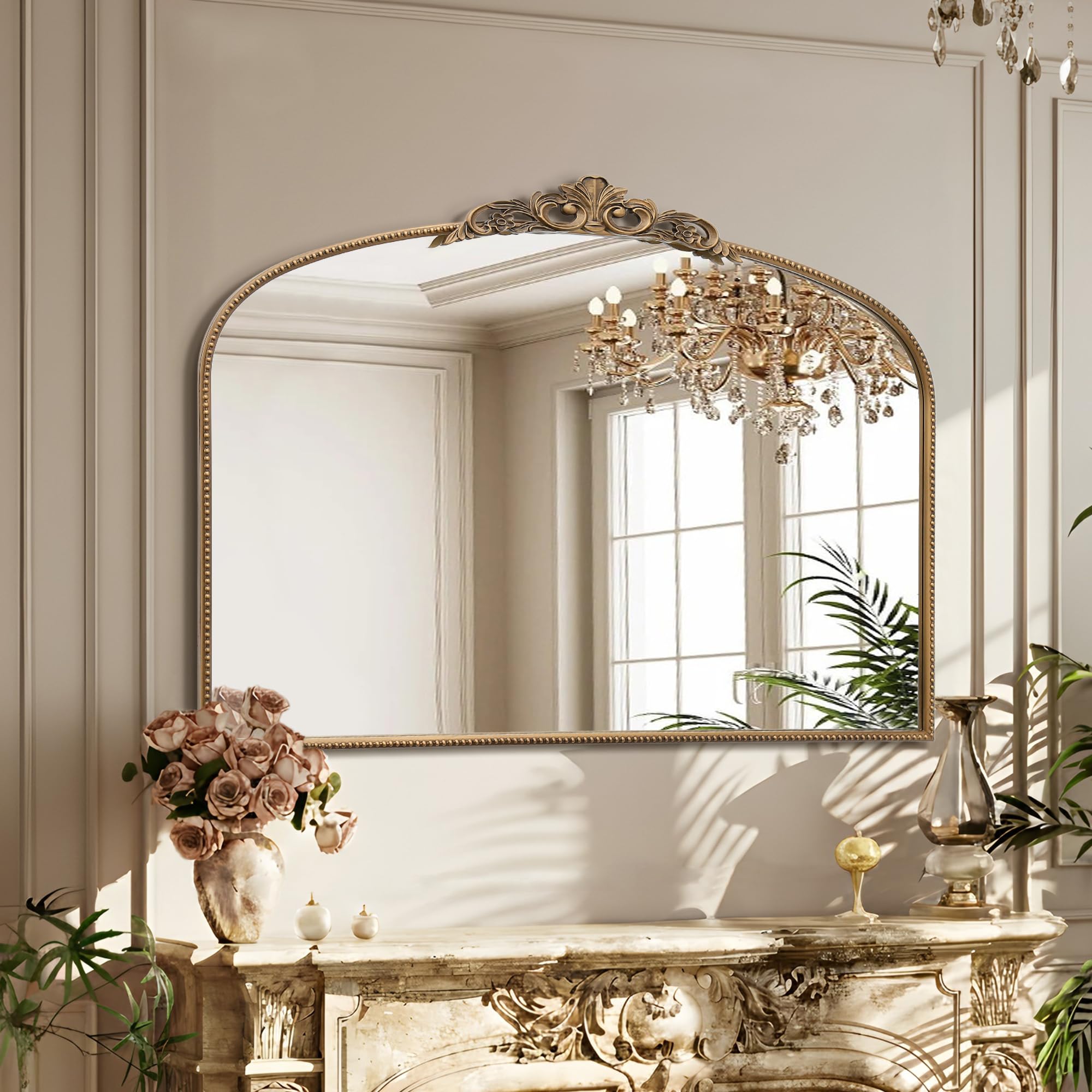
A large vintage mirror placed above a fireplace, a console table, or anchoring the main wall of the living room becomes the visual anchor of the entire space. It draws the eye immediately on entering the room, creates the impression of additional depth and space, and reflects natural light from nearby windows back into the room in a way that makes the entire space feel brighter and more generous.
The key to success on a living room feature wall is scale. An antique mirror that is correctly proportioned to the wall it occupies commands attention and authority. A mirror that is too small for its wall reads as an afterthought rather than an intention, and loses the visual weight that a vintage piece should carry. As a general guide, the mirror should occupy at least half the width of the furniture or architectural element it relates to, and ideally more.
Frame choice matters equally. An ornate gilded frame against a neutral wall creates a classic, formal elegance. A distressed or aged wooden frame suits more relaxed, eclectic interiors. Either way, the vintage character of the frame is what gives the piece its presence in a contemporary living room context.
The Hallway and Entryway
A hallway or entryway is one of the most effective locations for a vintage mirror, and one where the practical and aesthetic benefits align most perfectly.
Hallways are often narrow, poorly lit, and functionally important but aesthetically overlooked. A well-chosen vintage mirror in this space does several things simultaneously. It reflects whatever light is available from windows, overhead fixtures, or side lamps and makes the hallway feel significantly brighter and wider than its actual dimensions. It provides a practical check point for occupants leaving the house. And it creates a memorable first impression for visitors arriving at the home.
The vintage mirror suits a hallway particularly well because the typical dimensions of a hallway mirror, tall and relatively narrow, align naturally with the proportions of traditional mirror designs. A tall Venetian-framed mirror, a slim ornate console mirror, or a sculptural vintage piece with interesting frame detailing all find their natural home in a hallway setting.
Position the mirror at eye level where possible, which in most residential hallways means the centre of the mirror is at approximately 150 to 160 centimetres from the floor. If the hallway has limited wall space, a full-length leaning mirror positioned against the wall is a beautiful alternative that suits vintage aesthetics particularly well.
The Dining Room
Placing a vintage mirror in a dining room is one of the oldest and most reliably effective interior design strategies available, and it works as well in a contemporary Dubai home as it does in a Parisian brasserie.
The purpose of a dining room mirror is to extend the sense of space in what is often one of the smaller rooms in a home, to reflect the light of candles or pendant lighting above the table in the most flattering way possible, and to create an atmosphere that feels more layered and interesting than four plain walls.
Position a large vintage mirror on the wall adjacent to or opposite the main light source in the dining room. The reflection of pendant lighting or a chandelier in a vintage mirror, particularly one with a slightly aged glass surface that catches the light softly rather than sharply, creates an atmosphere in the dining room that modern mirrors with pristine flat surfaces simply cannot replicate.
The aged glass of a genuine vintage mirror is particularly valuable in a dining room context because it reflects without the harshness of a clear contemporary mirror. The slight softness and warmth of aged glass flatters the faces of people seated at the table and creates a glow in the room that makes every meal feel more special.
The Bedroom
Vintage mirrors in bedrooms serve a dual purpose that makes them particularly valuable in this setting. They provide the practical full-length reflection that a dressing area requires while simultaneously adding the decorative character that transforms a functional bedroom into a genuinely designed space.
A full-length vintage mirror leaning against the wall in the corner of a bedroom is one of the most enduringly beautiful design moves available at any budget level. The slight angle of a leaning mirror creates a romantic, relaxed quality that a rigidly hung mirror cannot achieve, and the vintage frame adds warmth and personality to a bedroom that might otherwise rely entirely on furniture and textiles for its character.
For bedrooms with a dedicated dressing area or walk-in wardrobe, a vintage mirror hung above the dressing table or console creates a focal point for the grooming and dressing ritual that makes it feel considered and pleasurable rather than merely functional.
Placing a vintage mirror on a bedroom wall opposite a window captures and reflects natural morning light in a way that makes the room feel more welcoming and alive from the moment daylight enters the space.
The Bathroom
Bathrooms are often where the most exciting vintage mirror placements happen precisely because they are spaces where people least expect decorative ambition.
Replacing a standard rectangular bathroom mirror with a vintage framed mirror immediately transforms the atmosphere of the space. A bathroom that felt functional and anonymous becomes a room with personality and intention. The vintage mirror becomes the focal point of the vanity area and elevates everything around it, from the quality of the tapware to the materials of the basin.
For bathrooms where humidity is a concern, vintage mirrors with sealed frames or frames in materials less susceptible to moisture, such as metal, resin, or properly sealed wood, are the practical choice. Safin Glass can advise on the appropriate frame materials for bathroom environments and can provide guidance on the correct installation approach to protect both the frame and the mirror backing from moisture exposure.
A vintage mirror does not need to sit directly above the basin in a bathroom to be effective. A large vintage piece on the wall adjacent to the basin creates a dramatic effect in a bathroom with space, allowing the full mirror to be appreciated from multiple angles rather than being used purely as a functional reflection surface.
The Bedroom Alcove or Reading Nook
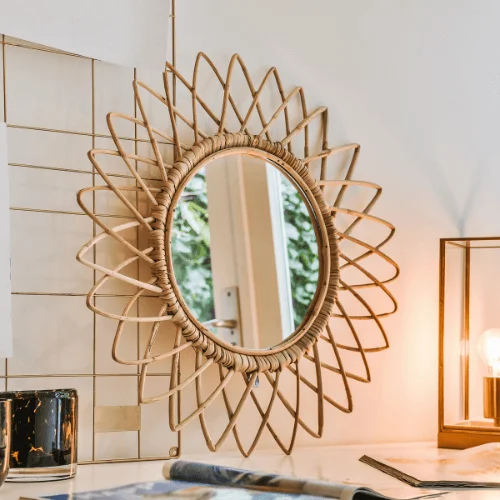
Smaller vintage mirrors find their most intimate and effective placement in alcoves, reading nooks, and smaller feature walls within a room. A compact vintage piece placed within an alcove reflects the light from a nearby lamp and creates a jewel-like quality in the space that makes a small area feel deliberate and designed rather than simply occupied.
This is particularly effective in bedroom alcoves used as reading or dressing areas, where a vintage mirror adds both a practical reflection point and a decorative note that gives the alcove its own distinct character within the larger room.
Final Thought
The best place to install a vintage mirror is ultimately the place where it can do the most work for the space it is in. Whether that means capturing light, extending a sense of space, creating a focal point, or simply adding the character that makes a room feel genuinely designed, a vintage mirror placed with thought and intention delivers all of these things simultaneously. Safin Glass is here to help you find the right mirror for your space and to ensure its installation is as considered as its placement.
Frequently Asked Questions
How large should a vintage mirror be on a living room feature wall?
As a general guide, the mirror should be at least half the width of the furniture or architectural element below it, and ideally wider for maximum visual impact. A mirror that is too small for its wall loses the presence and authority that a vintage piece should command.
Can vintage mirrors be used in humid environments like bathrooms?
Yes, with the right frame material and installation approach. Sealed wooden frames, metal frames, and resin frames are all suitable for bathroom environments. Safin Glass can advise on the appropriate specification for your specific bathroom conditions.
What is the best height to hang a vintage mirror in a hallway?
Position the centre of the mirror at approximately 150 to 160 centimetres from the floor for a standard hallway installation, which places the reflection at a comfortable eye level for most adults. Adjust slightly for unusually high or low ceiling heights.
Does the aged glass of an antique mirror affect how clearly it reflects?
Genuine antique mirror glass has slight variations and a soft warmth that reflects differently from contemporary clear glass. This quality is considered a feature rather than a flaw, as it creates a flattering, atmospheric reflection particularly effective in dining rooms and bedrooms.
Does Safin Glass supply antique and vintage mirror styles for residential installation in Dubai?
Yes. Safin Glass supplies antique mirror glass, decorative vintage mirror styles, and custom mirror solutions for residential and commercial projects across Dubai, with advice on placement, specification, and professional installation.