
GLASS & ALUMINUM
BLOG
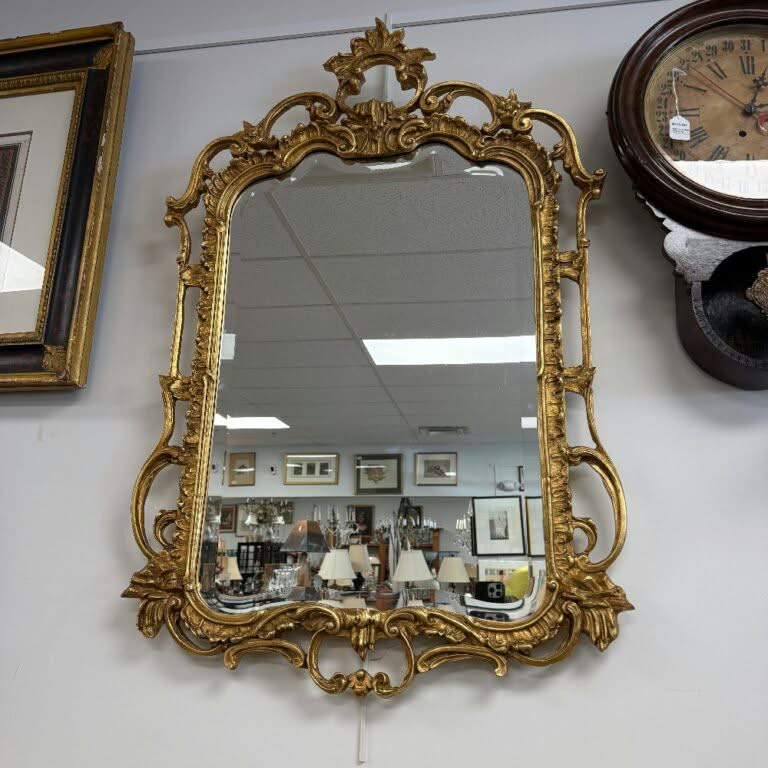
Common Mistakes People Make When Cleaning Antique Glass
Antique glass has a character that ordinary glass cannot easily reproduce. Whether it is used as a decorative wall feature, wardrobe panel, furniture insert, or statement piece, an antique mirror can bring depth, warmth, and an aged appearance to an interior. Its subtle variations, distressed details, and reflective finish are often what make it attractive.
However, decorative and aged glass requires more care than a standard clear mirror. Using unsuitable products or cleaning techniques can affect its finish and, in some cases, cause permanent damage. Maintaining its appearance requires more than simply making the surface shine.
If you have antique glass at home, in a hotel, restaurant, office, or commercial interior, here are some common cleaning mistakes to avoid.
Transform Your Space with Premium Architectural Glass
Custom laminated, decorative & luxury glass solutions for villas, hotels and commercial projects.
Using Too Much Water
One of the simplest mistakes is using excessive water while cleaning.
With ordinary glass, people may spray a generous amount of cleaner across the surface and wipe it down. This approach is not ideal for decorative mirror finishes.
Moisture can become a concern around the edges, particularly where the reflective backing, protective layers, frame, or adhesive are present. Excess liquid may seep into areas that are not designed to be exposed to moisture.
Instead of soaking the surface, use a soft microfiber cloth that is only lightly damp. This provides enough moisture to remove fingerprints and surface marks without leaving excessive liquid behind.
It is also important to dry the surface after cleaning rather than allowing water to evaporate naturally.
Spraying Cleaner Directly Onto the Mirror
Another common mistake is spraying cleaning solution directly onto the glass.
Although this may seem convenient, liquid can run toward the edges and potentially reach the backing or surrounding materials. This can be particularly problematic with decorative and distressed finishes.
A safer approach is to apply a small amount of an appropriate cleaning solution to a microfiber cloth and then gently wipe the surface.
This gives you better control over the amount of moisture being used. For decorative glass, controlled cleaning is preferable to aggressive cleaning. The objective is to remove dirt and fingerprints without disturbing the finish.
Using Strong Household Chemicals
Not every glass cleaner is suitable for every type of glass.
Some standard household cleaners contain strong chemicals designed for ordinary windows but may not be appropriate for decorative mirror surfaces. Strong solvents, abrasive chemicals, and certain ammonia-based products may affect finishes, coatings, backing materials, or decorative treatments.
Before using any cleaning product, understand the type of glass you have and follow the care recommendations provided by the manufacturer or glass specialist.
If you are unsure, start with a soft microfiber cloth and a minimal amount of a suitable cleaning solution rather than experimenting with aggressive chemicals.
Scrubbing the Surface Too Hard
A decorative mirror should not be scrubbed like a kitchen countertop.
Some marks may appear difficult to remove, especially fingerprints, grease, or dried spots. This can tempt people to apply more pressure or use a rough cloth.
Aggressive rubbing may affect decorative finishes or leave fine scratches on the surface. The more pressure you apply, the greater the chance of unnecessary wear.
Use gentle, controlled movements instead. If a mark does not come away easily, do not immediately increase the pressure. It may be better to identify the cause of the mark and choose an appropriate cleaning method.
Using Rough Sponges or Abrasive Materials
Kitchen sponges, scouring pads, paper towels with a rough texture, and other abrasive materials should generally be avoided when cleaning decorative mirror surfaces.
Even when they do not leave an obvious scratch immediately, repeated use can gradually affect the appearance of the glass.
A clean, soft microfiber cloth is a much better choice for everyday maintenance.
For larger installations, using separate clean cloths for different areas can also help prevent dirt particles from being dragged across the surface.
Treating Distressed Marks as Dirt
This is one of the most important things to understand about aged glass.
The slightly irregular appearance of a decorative mirror is often part of its design. Darker patches, subtle variations, spots, and uneven reflective areas may be intentional characteristics of the finish rather than dirt.
If you try to remove these features because you assume they are stains, you may damage the very appearance that makes the glass attractive.
Aged glass is not necessarily supposed to look perfectly uniform. Its character can come from controlled variations in colour, reflection, texture, and distressing.
Cleaning should focus on removing actual surface dirt, dust, fingerprints, and other removable marks rather than eliminating intentional decorative characteristics.
Cleaning Without Checking the Edges
People often concentrate entirely on the centre of a mirror and forget about its edges.
However, the perimeter can be particularly important when caring for decorative glass. Moisture, cleaning products, and dirt can accumulate around this area.
If liquid repeatedly reaches the edges, it may affect backing materials or surrounding components over time.
When cleaning, use a controlled amount of moisture and avoid allowing liquid to collect along the perimeter. If the glass is installed inside a frame, be especially careful where the surface meets the frame.
Ignoring the Type of Installation
How decorative glass is installed can also influence how it should be cleaned.
A mirror installed directly on a wall may have different maintenance considerations from one fitted into a wardrobe door, furniture panel, partition, or framed feature wall.
For example, excessive pressure on a large panel during cleaning can place unnecessary stress on the glass or its mounting system.
Always clean gently and avoid leaning heavily against the surface.
For large or complex installations, professional advice can be useful if you are unsure about the appropriate maintenance method.
Cleaning Too Frequently
Regular cleaning is useful, but excessive cleaning is not necessarily better.
If a mirror is cleaned several times a day with strong products, there is greater opportunity for the surface, finish, edges, or surrounding materials to experience unnecessary exposure.
For most interior applications, light dusting and cleaning when fingerprints or visible marks appear should be sufficient.
High-touch areas such as mirrors in hospitality environments, bathrooms, or commercial spaces may require more frequent attention, but the cleaning method should still remain gentle.
The goal is consistent maintenance rather than aggressive cleaning.
Using Dirty Cleaning Cloths
A cloth that looks clean may still contain dust, grit, or residues from previous cleaning jobs.
Using the same cloth repeatedly can transfer these particles back onto the glass and potentially cause fine scratches.
Always use clean microfiber cloths for mirror surfaces. Wash them separately from heavily soiled household materials when possible, and avoid fabric softeners that can leave residues.
It is a small detail, but clean tools can make a significant difference when caring for decorative glass.
Forgetting to Dry the Surface
Leaving the glass wet after cleaning is another common mistake.
Water spots can form as moisture evaporates, particularly when the water contains minerals. These marks can make a clean mirror appear cloudy or dirty.
After wiping the surface with a lightly damp cloth, use a separate dry microfiber cloth to remove any remaining moisture.
Pay particular attention to the edges and corners, where liquid can remain unnoticed.
Trying DIY Solutions Without Testing Them
Home remedies are often recommended for cleaning glass, but not every solution is appropriate for decorative mirror finishes.
Before applying any homemade mixture to the entire surface, test it in a small, inconspicuous area if the material and manufacturer's care guidance permit testing.
This is especially important when dealing with custom decorative glass, where the finish may differ from standard commercial mirrors.
If you do not know how the glass was manufactured or treated, asking the supplier or installer for maintenance guidance is a safer option than experimenting with unfamiliar cleaning solutions.
When Should You Ask a Professional?
Some problems should not be treated as ordinary cleaning issues.
If you notice changes in the reflective layer, unusual darkening, damage around the edges, peeling, cracks, moisture-related marks, or other changes that do not disappear with gentle cleaning, avoid aggressive DIY treatments.
A glass professional can determine whether the issue is simply surface contamination or something related to the mirror's construction or installation.
This is particularly important for expensive custom decorative installations, where an incorrect cleaning method can be more costly than professional advice.
How Safin Glass & Aluminium Can Help
Safin Glass & Aluminium provides customized glass and mirror solutions for residential and commercial interiors, including antique mirror applications. The company works with a wide range of glass products and custom interior installations.
Because aged mirror finishes are often selected for their distinctive appearance, professional fabrication and installation can make an important difference to the finished result. Proper handling, accurate sizing, suitable installation methods, and attention to detail can all contribute to a successful decorative installation.
Safin also works with customized glass and mirror requirements, helping clients select solutions that suit their spaces and design preferences.
Whether the goal is a feature wall, decorative interior element, furniture application, or another custom project, professional guidance can help ensure that the finished installation looks intentional and remains easier to maintain.
Conclusion
Cleaning antique glass does not need to be complicated, but it does require a gentler approach than ordinary glass.
Using too much water, spraying chemicals directly onto the surface, choosing abrasive materials, scrubbing aggressively, or trying to remove intentional distressed details can all create unnecessary problems.
A clean microfiber cloth, controlled moisture, suitable cleaning products, and regular light maintenance are generally safer approaches.
Most importantly, remember that the unique appearance of aged glass is part of its appeal. Slight variations, aged effects, and decorative distressing should not automatically be treated as imperfections that need to be removed.
With the right care and professional guidance when needed, decorative mirror installations can continue to add character, depth, and timeless style to an interior for years.
Frequently Asked Questions
Can I use regular glass cleaner on an antique mirror?
It is better to check the manufacturer's or supplier's recommendations first. Some standard glass cleaners may contain chemicals that are not suitable for certain decorative finishes.
Why should I avoid spraying cleaner directly onto the mirror?
Direct spraying can cause liquid to run toward the edges and potentially reach the backing, frame, adhesive, or other components. Applying cleaner to a cloth provides better control.
How often should I clean a vintage mirror?
Light dusting can be done regularly, while deeper cleaning can be performed when fingerprints, dust, or visible marks accumulate. Avoid unnecessary over-cleaning.
Can I use a rough sponge to remove stubborn marks?
No. Rough sponges and abrasive materials can scratch or affect decorative finishes. A soft microfiber cloth is a safer option.