
GLASS & ALUMINUM
BLOG
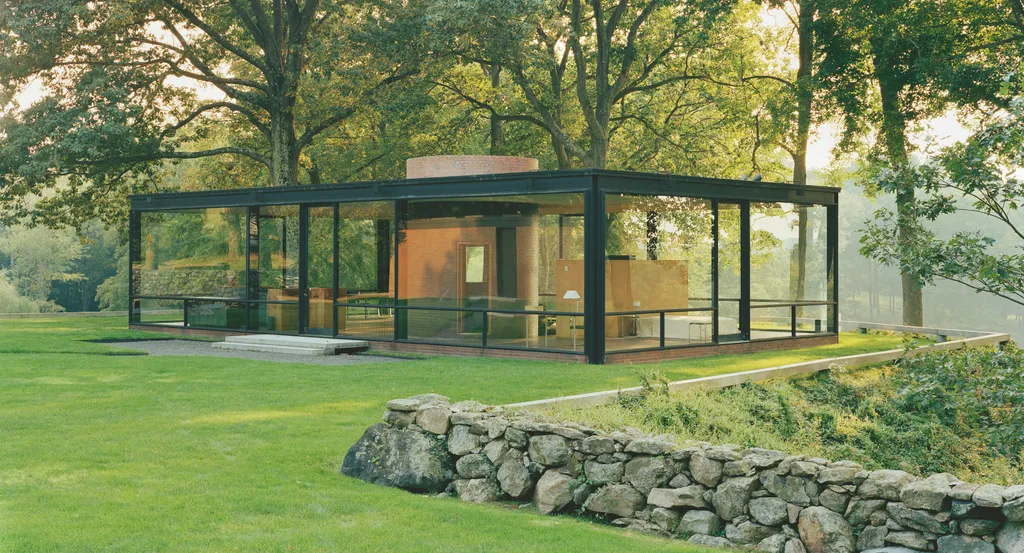
Decorative Glass Houses That Maximize Natural Light
Natural light is the most powerful design tool available to any architect or interior designer, and it costs nothing to use. A room flooded with morning light feels different from the same room in artificial light. A space that connects visually to the sky above and the garden beyond feels larger, calmer, and more alive than one sealed behind solid walls. The buildings that make the most of natural light are not just more beautiful. They are genuinely better to live and work in.
Decorative glass has become one of the most effective tools for maximising natural light in residential and commercial architecture, and the most forward-thinking homes and buildings being designed today treat glass not as a functional requirement but as an active design element. The way light enters a space, moves through it, reflects off surfaces, and changes character through the day is shaped by every glass design decision made during the planning and construction process.
At Safin Glass, we work with architects, developers, and homeowners across Dubai to design and supply decorative glass solutions that transform how buildings relate to natural light. Here is how the most impressive light-maximising spaces achieve what they do.
Transform Your Space with Premium Architectural Glass
Custom laminated, decorative & luxury glass solutions for villas, hotels and commercial projects.
Designing With Light Rather Than For It
The fundamental shift in how the most impressive glass houses and light-driven residential designs are conceived is the move from treating glass as a practical necessity to treating it as a primary design tool.
In conventional construction thinking, windows are placed in walls to provide ventilation and a view. Glass is chosen for its transparency and its thermal performance. The amount of glass used is often limited by concerns about heat gain, privacy, or structural requirements. Natural light enters the building as a byproduct of these decisions rather than as an intended element of the spatial experience.
In glass-forward architectural thinking, the relationship is reversed. The experience of light within a space is defined first, and the structure, materials, and glass specification are designed to deliver that experience. Where should the morning light enter? How should the afternoon light move through the space? What elements should be illuminated as the sun moves? These are design questions answered through glass placement, glass type, and glass treatment before any structural decisions are made.
The result is a fundamentally different quality of interior experience. Spaces feel designed in a way that fully enclosed rooms cannot achieve regardless of how well their other elements are executed.
Structural Glass That Eliminates the Boundary
One of the most dramatic applications of decorative glass in contemporary residential architecture is the use of structural glass systems that eliminate the visual boundary between interior and exterior entirely.
Full-height glass walls, floor-to-ceiling glazing on multiple elevations, and glass roofing systems create interior environments where the connection to the sky, the garden, and the natural surroundings is constant rather than occasional. In Dubai's villa architecture, where outdoor living spaces and pool environments are central to the residential experience, glass systems that visually merge interior and exterior create an outdoor living quality that is available regardless of whether doors and windows are actually open.
Structural glass requires careful engineering to manage the loads involved, and the glass specification used in these applications is significantly different from standard architectural glazing. Laminated safety glass with structural interlayers, point-fixed frameless glass systems, and thermally broken glass-and-aluminium framing all contribute to creating the visual openness these designs require while maintaining the structural integrity and thermal performance that a liveable space demands.
As a decorative glass wall art and architectural glazing specialist, Safin Glass works with structural engineers and architects on projects where the glass itself is a load-bearing or load-sharing element of the design, not simply an infill within a conventional frame.
Coloured and Patterned Glass as Light Modifiers
Not all decorative glass is clear. Some of the most striking light effects in contemporary architecture are created by glass that modifies the light passing through it rather than transmitting it unchanged.
Coloured glass introduces tinted natural light into a space that shifts character through the day as the sun angle changes. A glass feature wall in amber or bronze glass creates warm, golden light in the morning that transitions to a richer, deeper tone as the afternoon sun moves. Blue or green tinted glass creates a cool, calm quality that suits meditation spaces, bathrooms, and bedroom environments where a restful atmosphere is the design priority.
Patterned glass, including glass with etched, sandblasted, or textured surfaces, diffuses light rather than transmitting it directly. The effect is a soft, even illumination that eliminates harsh glare and shadow while maintaining the visual connection to the light source. Decorative glass wall panels using patterned glass are particularly effective in spaces where privacy is needed but darkness is not, including office partitions, bathroom screens, and internal feature walls adjacent to atrium spaces.
Glass that combines colour with texture creates the most complex and interesting light effects of all, producing spaces where the quality of illumination changes not just with the time of day but with the angle from which the space is viewed.
Glass Roofing and Overhead Glazing
The most dramatic source of natural light in any building is the sky directly above, and glass roofing and overhead glazing systems allow this source to be used in interior spaces that would otherwise be entirely dependent on side windows for natural light.
Glass roofing appears in residential architecture as atrium spaces over entrance halls or living areas, as glazed pergola roofs over outdoor living spaces that bring covered outdoor rooms into closer connection with the sky, and as skylights positioned to capture specific light angles that would otherwise miss the interior entirely. Each of these applications uses the overhead light source in a way that side glazing cannot replicate.
The quality of overhead light is fundamentally different from side light. It is more even, less directional, and creates a sense of openness that connects the occupant to the sky rather than to the horizontal world beyond the window. Spaces lit from above feel calmer and more resolved than those lit from the side alone, and the most successful residential atrium designs use this quality intentionally to create moments of architectural beauty within the plan.
Decorative glasses used in overhead glazing applications include heat-reducing laminated glass with solar control interlayers, fritted glass with ceramic dot or line patterns that provide solar shading while maintaining transparency, and coloured laminated glass that introduces tinted overhead light in feature spaces.
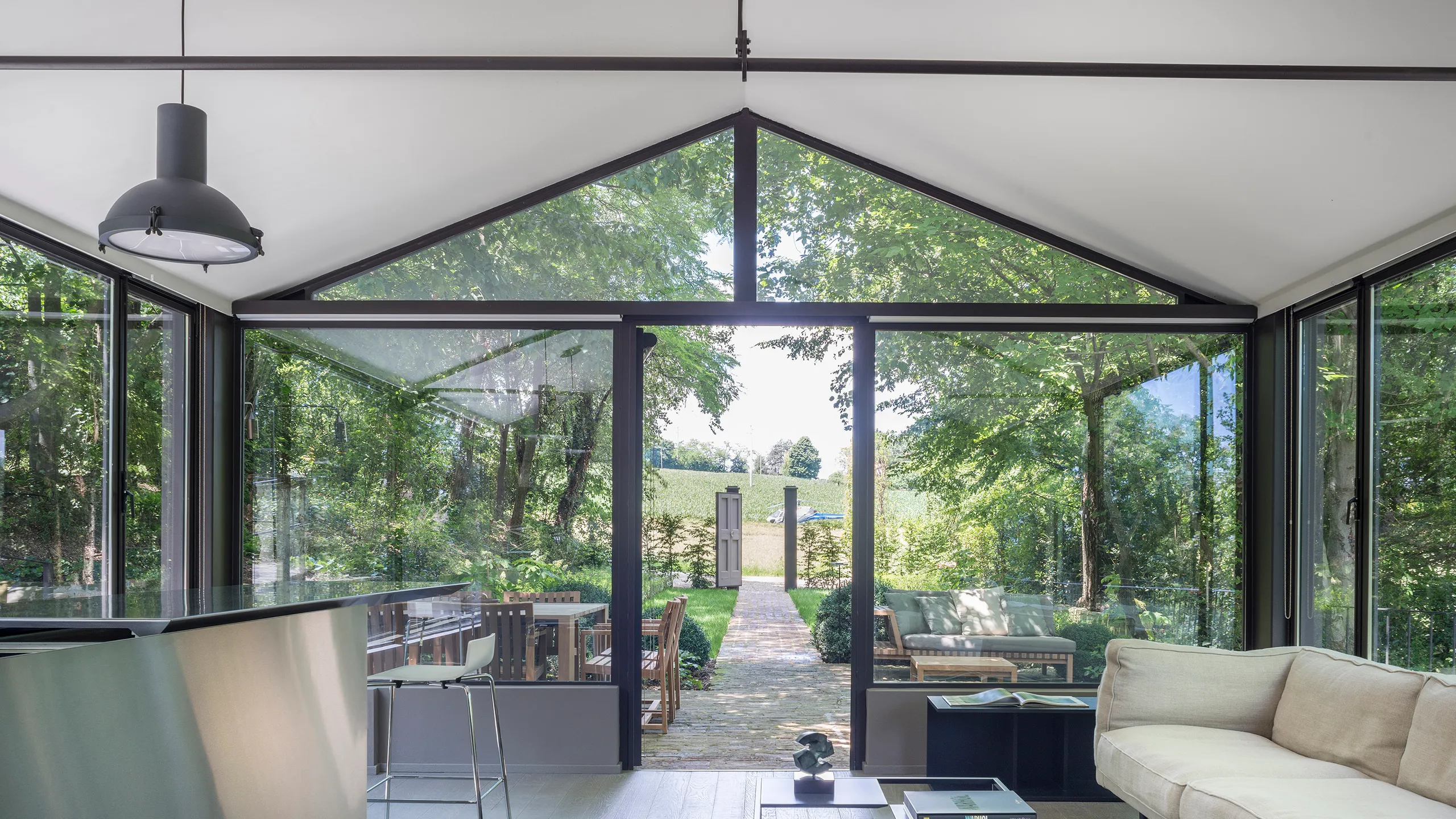
Privacy and Light: Solving the Apparent Contradiction
One of the most common design challenges in residential architecture is the apparent tension between maximising natural light and maintaining the privacy that makes a home genuinely comfortable to live in.
Decorative glass provides multiple solutions to this challenge that solid walls cannot offer. Frosted, satin, or sandblasted glass maintains privacy by preventing clear sightlines while allowing natural light to pass through. The degree of privacy can be calibrated by adjusting the density of the sandblasting treatment, creating glass that ranges from barely perceptible diffusion to complete opacity while still transmitting light.
Glass wall decoration using printed or painted glass introduces pattern and imagery to glass surfaces that can provide privacy at certain angles while remaining visually light and open from others. Ceramic frit patterns applied to the glass surface during manufacturing create geometric or organic designs that are durable, UV-resistant, and fully integrated into the glass rather than applied over it.
Switchable glass, which changes between clear and opaque states at the touch of a switch or the activation of a sensor, offers the most flexible solution to the privacy-light equation. In its clear state it provides full transparency and maximum light transmission. In its opaque state it provides complete privacy. This technology is increasingly appearing in luxury residential projects in Dubai where complete flexibility in the relationship between interior and exterior is a design priority.
Connecting Glass Design to the Dubai Environment
Dubai's climate presents a specific set of design challenges and opportunities for light-maximising glass architecture that are different from those faced by architects working in cooler, less sun-intense environments.
The intensity of direct sunlight in Dubai makes solar control an essential specification consideration for any glass used in exposed orientations. Glass with high solar control performance, such as low-emissivity coated glass or glass incorporating specialist solar control interlayers, reduces heat gain significantly while maintaining visual transparency. This allows the visual connection to natural light to be preserved without the indoor environment becoming uncomfortably hot or the air conditioning system being overwhelmed.
The quality of Dubai's natural light is also exceptional by global standards. The clarity of the atmosphere, the intensity of the light, and the dramatic sky conditions create opportunities for natural light design that are simply not available in cloudier, more diffuse light environments. Architecture that capitalises on this exceptional light quality creates spaces that are uniquely compelling in the way they feel at different times of day and different times of year.
Safin Glass works with the specific characteristics of Dubai's light environment in every glass specification we advise on, ensuring that the glass solutions we supply deliver the visual and experiential qualities that clients are seeking while managing the thermal and solar control requirements that Dubai's climate demands.
Final Thought
Decorative glass houses and glass-forward architecture represent the most complete expression of what natural light can do when it is treated as a design medium rather than a building requirement. The spaces that use glass most effectively are not simply transparent. They are luminous, dynamic, and deeply connected to the natural environment that surrounds them. Safin Glass is here to help you create that quality of space, with the expertise, the products, and the commitment to getting every glass decision right from the design stage through to installation.
Frequently Asked Questions
What types of decorative glass work best for maximising natural light in homes?
Clear structural glass for full-height walls and skylights, patterned glass for diffused light, coloured glass for atmospheric light quality, and solar control glass for heat management are all effective depending on the orientation and function of each element.
How does decorative glass differ from standard architectural glass?
Decorative glass incorporates colours, textures, patterns, or treatments that modify how light is transmitted, diffused, or reflected, creating specific visual and atmospheric effects rather than simply providing transparency.
Can decorative glass provide privacy while still allowing natural light?
Yes. Frosted, sandblasted, and patterned glass all maintain privacy while transmitting natural light. Switchable glass provides complete flexibility between full transparency and complete opacity at the touch of a button.
How does Safin Glass help manage solar heat gain in glass-heavy Dubai homes?
Safin Glass specifies solar control glass with low-emissivity coatings and specialist interlayers that reduce heat gain significantly while maintaining visual transparency, ensuring glass-forward designs remain comfortable in Dubai's intense sunlight.
Does Safin Glass supply and install decorative glass for residential projects in Dubai?
Yes. Safin Glass provides design advice, glass supply, and installation for residential and commercial decorative glass projects across Dubai, covering everything from feature glass walls and skylights to custom patterned and coloured glass elements.