
GLASS & ALUMINUM
BLOG
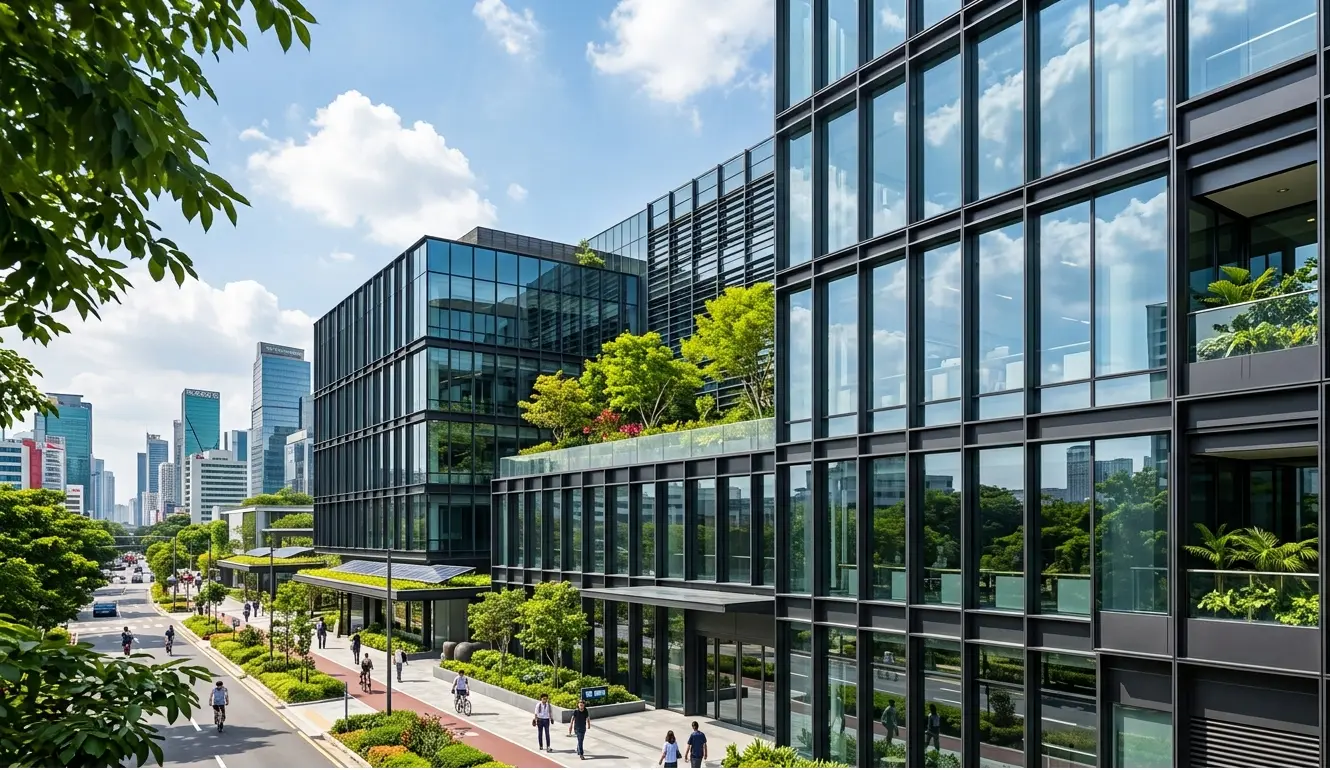
Glass and Aluminium Systems for Energy Efficient Building
Energy efficiency has become a major priority in modern construction. Rising energy costs, environmental concerns, and increasing demand for comfortable indoor spaces are encouraging architects, developers, and property owners to rethink traditional building materials. Among the solutions gaining popularity are advanced glass and aluminium systems which combine durability, functionality, aesthetics, and energy-saving performance.
Modern façades, windows, doors, partitions, and curtain wall systems can significantly influence how a building responds to heat, sunlight, air movement, and changing outdoor conditions. When properly designed and installed, these systems can reduce unwanted heat gain, improve natural lighting, and support more efficient heating and cooling.
For projects seeking sustainable construction solutions, selecting the right materials and installation methods is essential. Working with experienced specialists also ensures that systems are properly specified according to the building's location, orientation, usage, and performance requirements.
Transform Your Space with Premium Architectural Glass
Custom laminated, decorative & luxury glass solutions for villas, hotels and commercial projects.
The Role of Glass in Energy Efficiency
Glass has evolved significantly from traditional single-pane windows. Modern architectural glazing can provide improved thermal insulation, solar control, daylight management, and acoustic performance.
Low-emissivity coatings, double glazing, triple glazing, tinted glass, reflective glass, and solar-control solutions can help regulate the amount of heat and sunlight entering a building. This reduces the workload placed on air-conditioning systems while allowing natural daylight to illuminate interior spaces.
In climates with intense sunlight, selecting the appropriate glazing specification becomes especially important. The right glass can reduce excessive solar heat while maintaining clear views and attractive architectural designs.
How Aluminium Supports Sustainable Construction
Aluminium is widely used in modern building envelopes because it combines strength with relatively low weight and excellent durability. It can be formed into precise profiles for windows, doors, curtain walls, façades, partitions, and other architectural applications.
Its corrosion resistance and low maintenance requirements make it suitable for demanding environments. Aluminium can also be recycled repeatedly, supporting more sustainable construction practices when appropriate recycling systems are available.
The performance of aluminium framing depends on its design and thermal characteristics. Systems incorporating thermal breaks can reduce heat transfer between the exterior and interior of a building, improving overall envelope performance.
Combining Glass and Aluminium for Better Performance
The effectiveness of a building envelope depends on how different components work together.
High-performance glazing combined with thermally improved aluminium frames can create a more efficient barrier between indoor and outdoor environments. Proper sealing, insulation, drainage, and frame design further contribute to overall performance.
This combination is particularly useful for modern offices, villas, apartment buildings, hotels, retail spaces, and commercial developments where large glazed surfaces are often part of the architectural design.
A well-designed system provides a balance between aesthetics, daylight, ventilation, insulation, and structural performance.
Reducing Solar Heat Gain
In hot climates, excessive solar radiation can significantly increase indoor temperatures. Buildings with poorly selected glazing may require continuous air conditioning to maintain comfortable conditions.
Solar-control glass can reduce the amount of solar energy entering interiors while still allowing natural light. External shading, suitable façade orientation, and carefully designed framing systems can further improve performance.
These measures help reduce cooling demand and can contribute to lower energy consumption throughout the building's operating life.
Maximizing Natural Daylight
Energy efficiency does not mean reducing the use of glass. Instead, it involves using glazing intelligently.
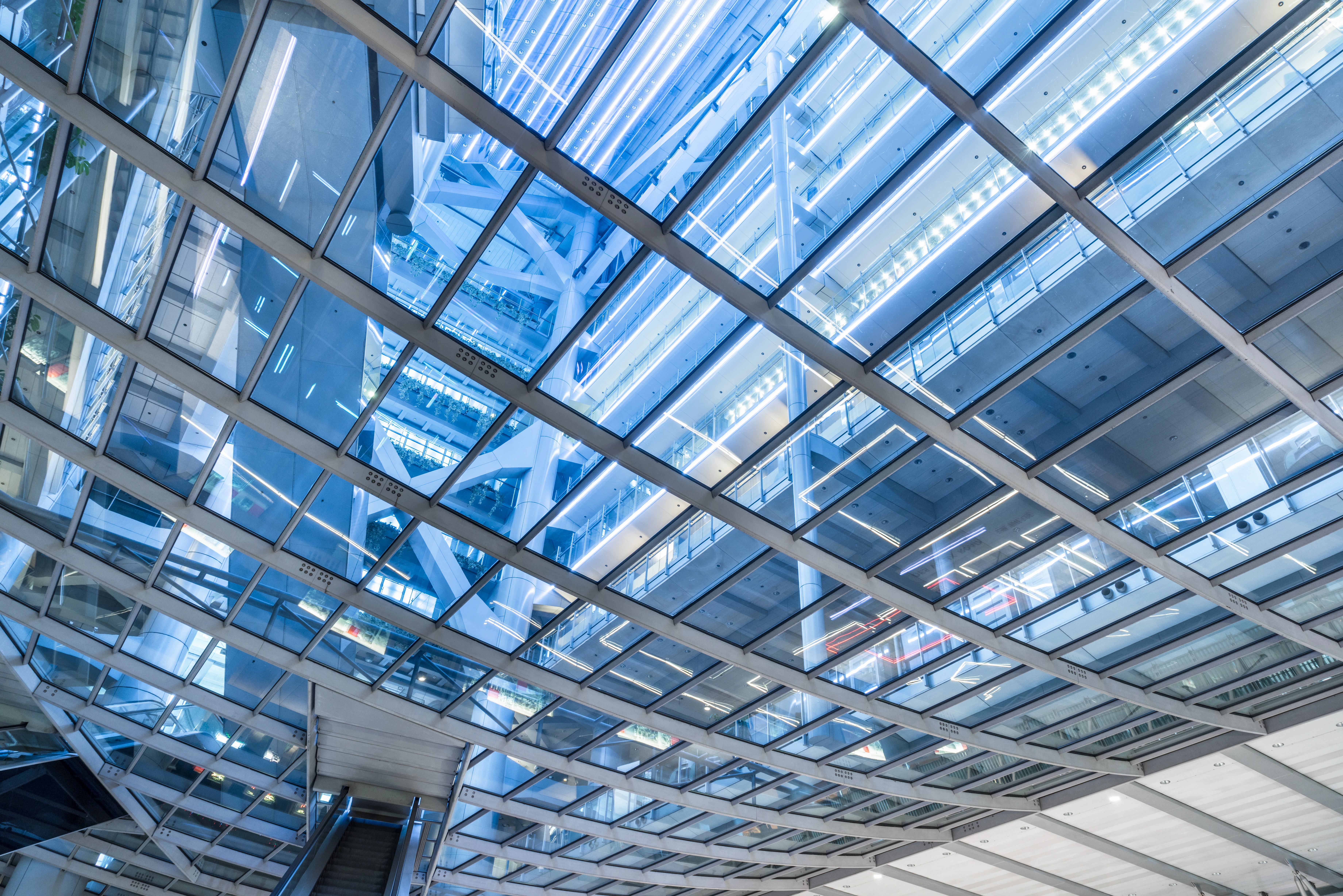
Natural daylight can reduce dependence on artificial lighting during daytime hours. Large windows, glass façades, skylights, and carefully positioned openings can distribute daylight throughout interior spaces.
However, excessive glazing without proper solar control can create glare and unwanted heat. Effective design therefore requires a balance between daylight availability and thermal performance.
Improving Indoor Comfort
Energy-efficient building systems contribute directly to occupant comfort.
Well-designed glazing and framing systems help maintain more stable indoor temperatures by limiting excessive heat transfer. They can also reduce drafts, condensation, and uncomfortable temperature variations near windows.
Improved acoustic glazing can additionally reduce external noise, which is particularly valuable for buildings located near busy roads, commercial districts, or urban centers.
Comfortable indoor environments support better productivity and overall occupant satisfaction.
Choosing the Right Aluminium Systems
Not every aluminium system provides the same level of performance. Building owners and architects should consider profile design, thermal breaks, glazing compatibility, weather resistance, structural requirements, and finishing quality before selecting a system.
The expertise of an aluminum material suppliers plays an important role in ensuring that the appropriate profiles and components are selected for each application.
Project requirements should be assessed carefully before materials are ordered or fabrication begins.
Importance of Quality Manufacturing
Manufacturing precision directly affects the performance of architectural systems.
Accurate cutting, machining, assembly, and finishing ensure that frames fit correctly and operate smoothly. Poorly manufactured components may result in gaps, air leakage, water penetration, operational problems, and reduced durability.
An experienced aluminium manufacture process follows appropriate quality controls and project specifications to produce consistent components.
Quality manufacturing is therefore an important part of achieving energy-efficient building performance.
The Importance of Professional Installation
Even the highest-quality materials can underperform if they are installed incorrectly.
Professional glass installation ensures that glazing units are positioned accurately, sealed correctly, and securely integrated with surrounding frames. Proper installation helps minimize air leakage and water infiltration while maintaining the intended thermal and structural performance.
Installation teams should carefully follow manufacturer specifications and project requirements. Attention to joints, seals, fasteners, alignment, and drainage can significantly influence long-term performance.
Sustainability and Long-Term Value
Energy-efficient building systems offer benefits beyond reduced energy consumption. Durable materials can reduce the need for frequent replacement and maintenance. Aluminium's recyclability can support circular construction practices, while high-performance glazing can contribute to improved building efficiency. Although advanced systems may involve a higher initial investment, their long-term benefits can include lower operating costs, improved occupant comfort, reduced maintenance, and increased property value. Sustainable construction should therefore be evaluated according to total lifecycle performance rather than initial purchase price alone.
Selecting the Right Glass and Aluminium Company
Choosing an experienced glass and aluminium company can make a significant difference to project outcomes. A reliable provider should understand material specifications, fabrication requirements, installation methods, and the performance goals of the building.
Project owners should consider experience, product quality, technical support, workmanship, project timelines, and after-sales service when comparing suppliers and contractors.
A professional partner can also help coordinate material selection and installation to ensure that different components work together effectively.
Applications Across Modern Buildings
Energy-efficient glazing and framing systems can be used across a wide range of projects.
Residential buildings benefit from improved daylight, thermal comfort, and modern aesthetics. Commercial offices can use glazed façades and partitions to create bright, collaborative environments. Hotels, retail developments, educational facilities, and healthcare buildings can also benefit from durable and efficient envelope systems.
The flexibility of modern systems allows architects to achieve innovative designs without compromising essential performance requirements.
Conclusion
Energy-efficient construction requires careful consideration of every part of a building envelope. Modern glazing and aluminium framing systems provide an effective way to combine architectural appeal with thermal performance, durability, natural daylight, and sustainability.
The right combination of high-performance glass, thermally efficient framing, quality manufacturing, and professional installation can reduce energy demand while creating comfortable and attractive indoor environments.
As sustainable construction continues to shape the future of architecture, businesses and property owners can benefit from selecting experienced professionals who understand both material performance and project requirements. Investing in quality systems today can contribute to lower operating costs, improved comfort, and stronger long-term building performance.
Frequently Asked Questions
How do glass and aluminium systems improve energy efficiency?
They can reduce heat transfer, control solar radiation, improve insulation, and increase access to natural daylight, reducing dependence on cooling and artificial lighting.
Is aluminium suitable for sustainable construction?
Yes. Aluminium is durable, lightweight, corrosion-resistant, and recyclable, making it a practical material for many sustainable building applications.
What type of glass is best for hot climates?
Solar-control and low-emissivity glazing can be effective options, depending on the building's orientation, climate, and specific energy-performance requirements.
Why is professional installation important?
Correct installation ensures proper sealing, alignment, insulation, and weather resistance, helping the system achieve its intended performance.
Can these systems be used in residential buildings?
Yes. They are suitable for villas, apartments, homes, offices, hotels, retail properties, and many other modern building types.