
GLASS & ALUMINUM
BLOG
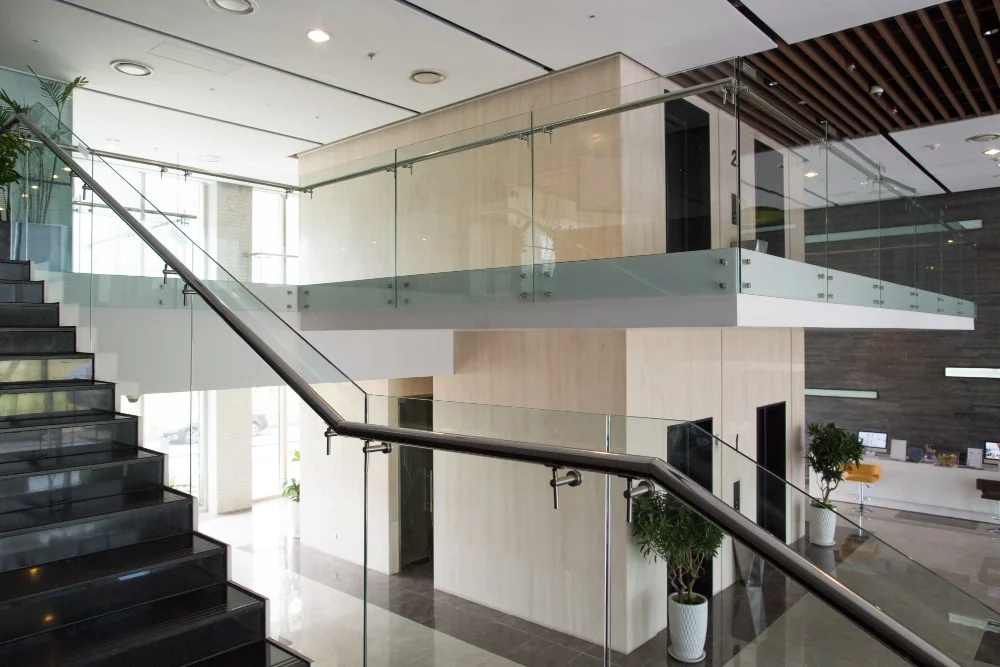
How to Clean and Maintain Glass Handrails
Glass handrails are a popular choice for modern homes, offices, hotels, restaurants, villas, and commercial buildings. They provide support and safety while maintaining an open and spacious appearance. When combined with aluminium or other metal components, they can create a clean architectural finish that complements both contemporary and traditional interiors.
Like any architectural feature, glass railing systems require regular care. Dust, fingerprints, water spots, cleaning products, and everyday use can gradually affect their appearance. Fortunately, keeping glass and aluminium systems clean does not have to be complicated. With suitable cleaning methods and regular attention, your railing can remain attractive and functional for years.
Transform Your Space with Premium Architectural Glass
Custom laminated, decorative & luxury glass solutions for villas, hotels and commercial projects.
Why Regular Maintenance Matters
Handrails are frequently touched and may be exposed to dust, moisture, and other environmental conditions. In busy homes and commercial spaces, fingerprints and smudges can quickly become visible on glass surfaces.
Regular cleaning helps preserve the clarity and appearance of the glass. It also provides an opportunity to inspect the system and identify loose fittings, damaged seals, corrosion, scratches, or other problems before they become more serious.
Maintenance is therefore not just about keeping the glass looking clean. It also helps keep the complete railing system in good condition.
Start by Removing Loose Dust
Before applying any cleaning solution, remove loose dust and dirt from the glass.
A soft, clean microfiber cloth is a good option. Gently wipe the surface to remove particles instead of immediately rubbing them into the glass with a wet cloth.
This simple step can reduce the possibility of fine dirt being dragged across the surface during cleaning.
For larger installations, work from the top down so that dust and moisture do not settle on areas that have already been cleaned.
Use a Suitable Glass Cleaner
For everyday cleaning, use a mild glass-cleaning solution that is suitable for the type of glass installed.
Apply the solution to a microfiber cloth rather than spraying a large amount directly onto the glass. This provides better control and reduces the possibility of liquid reaching joints, fittings, channels, or other sensitive areas.
Wipe the surface using gentle, overlapping movements. Avoid excessive pressure, especially around edges and fittings.
After cleaning, use a separate dry microfiber cloth to remove any remaining moisture and reduce streaks.
Pay Attention to Water Spots
Water spots are particularly common on glass systems installed near bathrooms, swimming pools, balconies, and outdoor areas.
When water evaporates, minerals can remain on the surface and create cloudy marks. If these deposits build up over time, they can become more difficult to remove.
Regular light cleaning is preferable to waiting until heavy deposits develop.
If stubborn water marks are already present, avoid immediately using harsh chemicals or abrasive materials. The wrong product may affect the glass, coatings, seals, or surrounding metal components.
For persistent deposits, professional cleaning advice may be appropriate.
Never Use Abrasive Materials on the Glass
Although glass is durable, rough cleaning materials should be avoided.
Steel wool, abrasive sponges, scouring pads, and harsh cleaning tools can leave scratches or marks on the surface.
The same care should be taken with stair railing systems. Because these areas are often cleaned quickly, it can be tempting to use whatever sponge or cloth is available.
Instead, keep a dedicated soft microfiber cloth for glass surfaces. This simple habit can help preserve the clarity and finish of the glass.
Clean Aluminium Components Carefully
Glass is only one part of many modern railing systems. Installations may also include aluminium posts, channels, brackets, caps, or handrails.
These components require regular cleaning as well.
Use a soft cloth and a mild cleaning solution that is suitable for the aluminium finish. Avoid highly abrasive products that could damage the surface.
Pay particular attention to joints and corners where dust and residue can accumulate.
Keep the Aluminium Finish Looking Consistent
Aluminium is widely used in railing systems because it is lightweight, versatile, and available in different finishes.
However, improper cleaning can affect its appearance over time.
Strong chemicals, abrasive pads, and aggressive rubbing may dull or mark the surface. Different finishes, such as powder-coated or anodized surfaces, may also have specific care requirements.
When unsure, check the manufacturer's recommendations or ask the installer which cleaning products are appropriate for the particular finish.
Inspect the Fittings and Connections
Cleaning is also a useful opportunity to inspect the entire system.
Check whether brackets, connectors, clamps, channels, and other visible fittings appear secure. Look for anything that seems loose, damaged, unusually worn, or out of alignment.
Do not attempt to tighten structural fittings if you are unsure how the system is assembled. Some installations require specific tools, fasteners, or procedures.
If something appears loose or damaged, contact a qualified professional instead of attempting a repair without understanding the system's design.
Look After Stair Railings Regularly
Staircases are high-use areas, making their railing systems particularly important.
A stair railing provides support as people move up and down the stairs, so its condition should not be overlooked.
Dust and fingerprints can accumulate quickly. Regular cleaning helps keep the surface comfortable to hold and maintains the overall appearance of the staircase.
At the same time, check for movement or unusual looseness. Any structural concern should be addressed promptly.
Be Careful With Outdoor Glass Railings
Outdoor glass and aluminium systems are exposed to considerably more environmental contamination than indoor installations.
Dust, rainwater, humidity, pollution, and airborne particles can accumulate on both the glass and metal components.
Outdoor installations may therefore require more frequent cleaning depending on the surrounding environment.
Do not wait until dirt becomes heavily embedded. A regular maintenance routine makes cleaning easier and reduces the need for aggressive cleaning methods.
After washing, dry the glass where possible to minimize water spots.
Avoid Cleaning in Direct, Strong Sunlight
Cleaning glass in intense sunlight can make the process more difficult.
Cleaning solutions can dry quickly before you have an opportunity to wipe them away, leaving streaks or marks behind.
If possible, clean the system during a cooler part of the day or when the surface is not exposed to intense direct sunlight.
This is especially useful in hot climates where outdoor surfaces can become extremely warm.
Don't Ignore the Edges of the Glass
The centre of the glass usually receives the most attention, but the edges and corners should not be forgotten.
Dust, moisture, and residue can collect around the edges, particularly where the glass meets aluminium channels, clamps, or other fittings.
Clean these areas carefully without forcing cloths or tools into gaps.
Avoid allowing excessive water to collect around the edges or fittings. Controlled cleaning is better than flooding the surface.
Avoid DIY Repairs
Cleaning and maintenance are different from structural repairs.
If the system develops a loose bracket, cracked glass, damaged fitting, or significant corrosion, do not attempt to fix the issue with household adhesives or improvised hardware.
A railing is a safety feature, and repairs need to account for the loads placed on the system.
This is particularly important for balustrade installations, which may be designed to meet specific structural and safety requirements.
A qualified glass or railing professional can inspect the problem and determine whether a repair or replacement is required.
Create a Simple Maintenance Routine
You do not need a complicated maintenance schedule.
For indoor installations, light dusting and cleaning whenever fingerprints or visible marks appear may be sufficient.
Outdoor systems may need more frequent attention depending on their exposure to dust, weather, and pollution.
Every few months, inspect the complete installation. Check the glass, aluminium profiles, handrails, fittings, joints, and mounting areas.
A simple routine can help identify minor issues before they develop into more expensive repairs.
Why Professional Installation Makes Maintenance Easier
The quality of the original installation can influence long-term maintenance.
Properly measured glass, correctly fitted aluminium profiles, suitable hardware, and accurate alignment all contribute to a system that is easier to clean and maintain.
This is particularly important for customized projects where glass panels need to integrate precisely with staircases, balconies, terraces, or other architectural features.
Professional installation also helps ensure that the selected materials are appropriate for their intended environment.
Why Choose Safin Glass & Aluminium?
Safin Glass & Aluminium provides customized glass and aluminium solutions for residential and commercial projects, including handrails, balustrades, glass and aluminium systems, and other architectural applications.
The company focuses on combining quality materials with experienced fabrication and installation to create solutions suited to individual project requirements.
For customers considering a glass railing system, selecting the right combination of glass, aluminium profiles, fittings, and installation methods can make a significant difference to the finished result.
A professionally designed and installed system can provide an attractive appearance while making ongoing care more manageable.
Conclusion
Maintaining glass railing systems is relatively simple when you use suitable cleaning methods and avoid harsh materials.
Remove dust regularly, use appropriate cleaning solutions, work with soft microfiber cloths, and pay attention to water spots and fingerprints. Aluminium components should also be cleaned carefully to help preserve their finish.
Cleaning is only one part of maintenance. Regularly inspect fittings, connections, handrails, and glass panels for signs of damage or movement. Any structural problem should be assessed by a qualified professional rather than handled with a DIY repair.
Whether you have an indoor glass railing, an outdoor glass and aluminium system, or a customized balustrade, proper care can help preserve its appearance and functionality for many years.
Frequently Asked Questions
How often should glass handrails be cleaned?
Indoor systems can usually be cleaned whenever fingerprints, dust, or visible marks appear. Outdoor installations may require more frequent cleaning because they are exposed to dust, rain, and other environmental conditions.
What is the best cloth for cleaning glass handrails?
A clean, soft microfiber cloth is generally a good choice. It helps remove dust and fingerprints without the abrasiveness associated with rough cleaning materials.
Can I use a regular glass cleaner on glass railings?
A mild glass cleaner may be suitable, but always check the recommendations for your specific glass and any coatings. Avoid strong or abrasive chemicals unless they are specifically recommended.
How do I clean aluminium railings?
Use a soft cloth and a mild cleaning solution suitable for the aluminium finish. Avoid abrasive pads and aggressive chemicals that could affect the surface.
How should I maintain an aluminium glass railing outdoors?
Clean the glass and aluminium regularly to remove dust, water spots, and environmental deposits. Inspect fittings and mounting points periodically and address any signs of damage or looseness promptly.
What should I do if my stair handrail becomes loose?
Do not rely on DIY adhesives or temporary fixes. A loose handrail can create a safety issue, so have the system inspected by a qualified professional who can determine the appropriate repair.
Can damaged glass in a balustrade be repaired?
Depending on the type and extent of damage, replacement may be required rather than repair. Cracked or significantly damaged safety glass should be assessed by a qualified glass professional.