
GLASS & ALUMINUM
BLOG
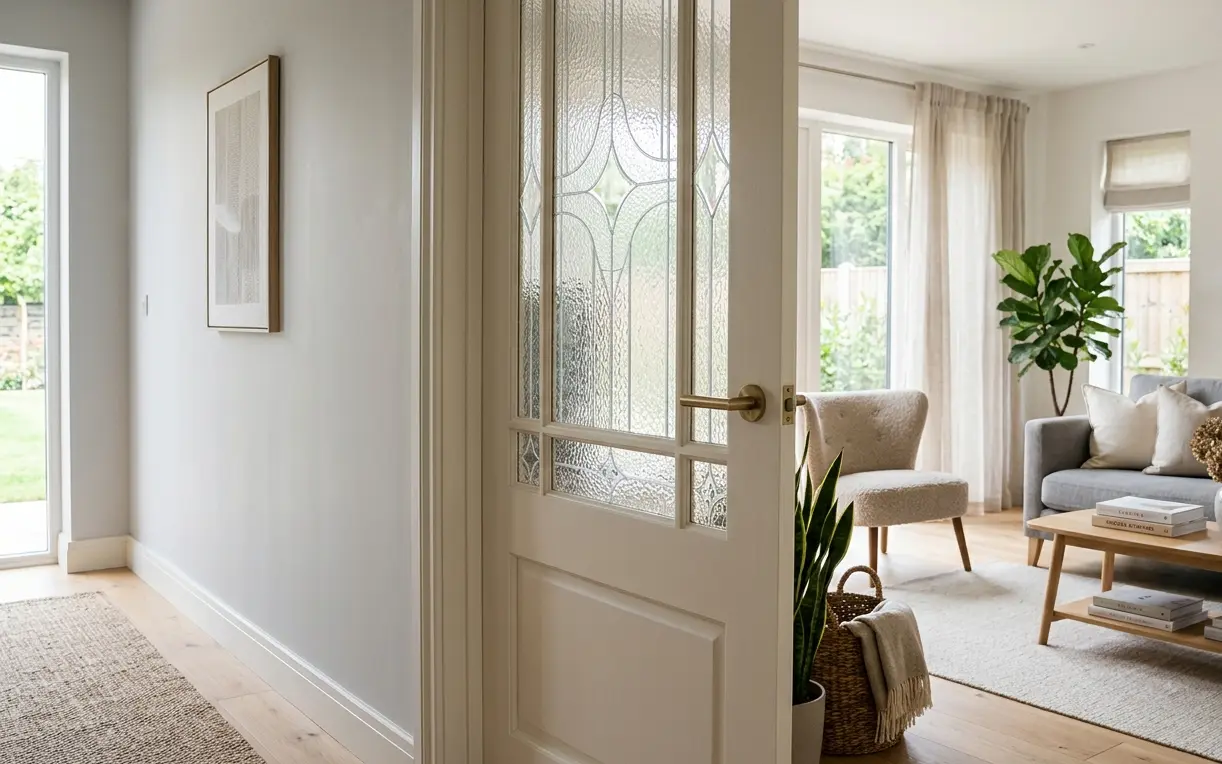
How to Use Pattern Glass in Interior Doors
Interior doors are no longer limited to plain wooden panels or simple transparent inserts. Homeowners and designers are increasingly choosing materials that combine privacy, natural light, and visual appeal. Decorative glazing is one option that can transform an ordinary doorway into an attractive design feature.
Using textured glass introduces depth and character without making a room feel completely enclosed. Depending on the finish and door design, it can suit bedrooms, bathrooms, kitchens, home offices, and living areas.
Whether you are renovating your home or planning a new interior, understanding the available styles and applications can help you select a door that complements your space.
Transform Your Space with Premium Architectural Glass
Custom laminated, decorative & luxury glass solutions for villas, hotels and commercial projects.
What Is Pattern Glass?
Pattern glass is a decorative material manufactured with a textured surface that creates distinctive visual effects. Depending on the design and manufacturing process, the texture may appear on one or both sides.
Unlike clear glazing, these surfaces can distort or partially obscure the view through a door. This makes them useful when you want to maintain brightness while reducing direct visibility between rooms.
Available designs range from subtle textures to bold geometric patterns. Each option offers a different combination of privacy, light transmission, and decorative appeal.
Why Use Decorative Glass in Interior Doors?
Interior doors serve practical purposes, but they can also contribute to the overall appearance of a property. Incorporating textured panels offers several advantages.
Creates Privacy Without Blocking Light
Transparent doors may not be suitable for bedrooms, bathrooms, or workspaces where visual separation is important.
Textured surfaces can make objects and people less distinguishable while still allowing daylight to enter. This provides a balance between privacy and an open atmosphere.
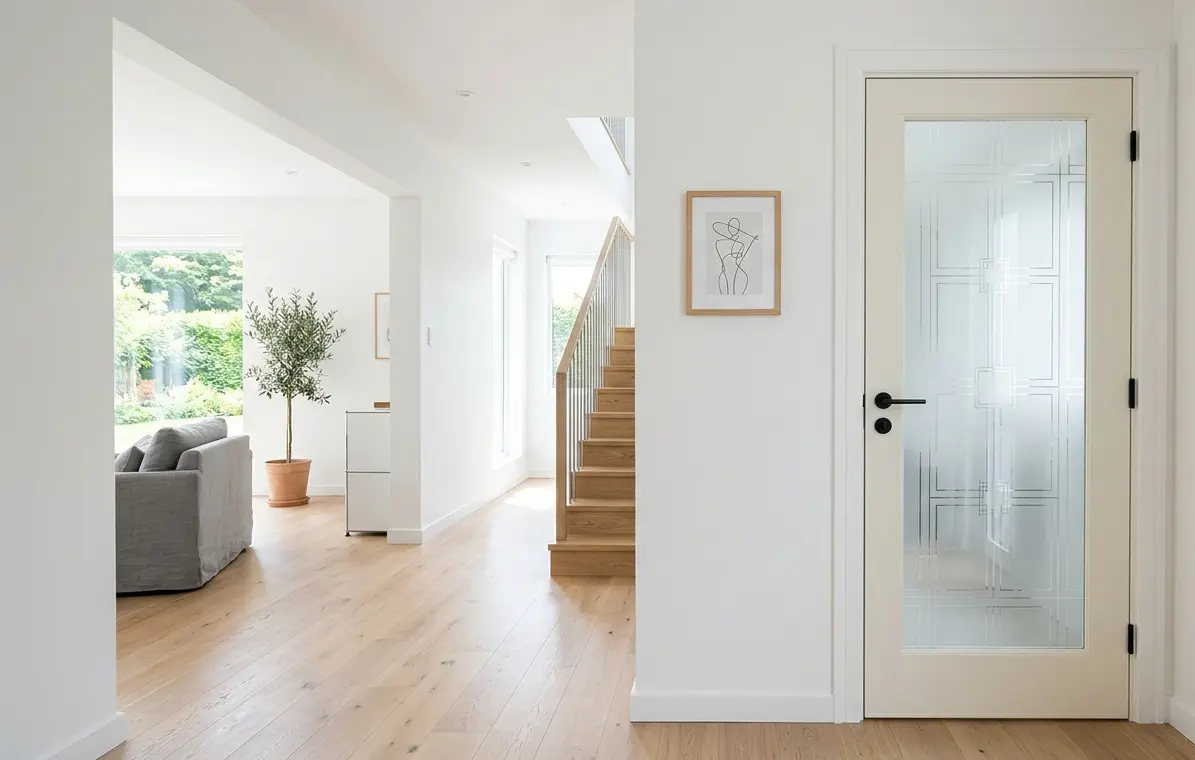
Adds Texture to the Interior
Plain surfaces can sometimes appear too simple in spaces that need additional visual interest. Decorative glazing introduces depth and texture without requiring elaborate door designs.
It can complement wooden frames, painted finishes, metal hardware, and contemporary furnishings.
Makes Rooms Feel Brighter
Solid doors can limit the movement of natural light between adjoining spaces. Incorporating glazed panels helps distribute available light throughout the interior.
Textured finishes can soften the light entering a room, making this option particularly useful in smaller homes and areas with limited natural illumination.
Where Can You Use Decorative Glass Doors?
Textured glazing is versatile enough for residential and commercial interiors. The right application depends on the privacy requirements, lighting conditions, and overall design of each space.
Bedroom Doors
Bedrooms require privacy, but solid panels can make adjoining hallways feel darker. A wooden door with a decorative insert can provide separation while allowing some light to pass through.
Choose a finish that limits visibility sufficiently for your needs rather than selecting a design based solely on appearance.
Bathroom Doors
Bathrooms benefit from materials that offer visual privacy without compromising the overall design.
Frosted or heavily textured panels can work well alongside wood, stone, and neutral finishes. Before choosing a design, consider how much visibility it allows under different lighting conditions.
Kitchen Doors
Kitchens often benefit from doors that allow light to travel between adjoining areas.
A glazed door can separate a kitchen from a dining room, utility area, or hallway without creating a completely enclosed appearance. Textured finishes may also reduce direct views into storage or utility spaces.
Home Office Doors
Home offices need a degree of separation for concentration while still benefiting from natural light.
Decorative panels can distinguish a workspace from the rest of the home without making it feel isolated. Minimalist textures and clean-lined frames work particularly well in contemporary offices.
Living and Dining Areas
Glazed interior doors can separate living rooms, dining areas, and other shared spaces while preserving brightness.
Larger panels can also become a design feature, especially when their texture complements the furniture, wall finishes, and architectural details.
Choose a Design That Complements Your Interior
Not every texture suits every design theme. Consider the existing furniture, colours, materials, and architectural features before making a selection.
Minimalist interiors
Traditional interiors
Contemporary interiors
The aim is to create a cohesive appearance rather than treating the glazing as a separate decorative element.
Combine Textured Glass With Wooden Frames
Wooden frames are a versatile choice for doors featuring decorative inserts. Wood adds warmth, while the glass introduces light and visual detail.
The frame can be matched to flooring, furniture, wall panels, or cabinetry for a coordinated finish.
Lighter wood tones paired with subtle textures create a softer appearance, whereas darker frames provide stronger contrast and definition.
Explore Aluminium and Metal Frame Options
For contemporary spaces, decorative glazing can also be paired with aluminium or other metal frames.
Slim profiles give doors a lightweight appearance while keeping the textured surface visible. This combination can suit modern homes, apartments, offices, and commercial interiors.
Black, grey, and metallic finishes each create a different effect, so consider how the frame will look alongside nearby fixtures and furnishings.
Consider Privacy Before Selecting a Design
Privacy is an important consideration when choosing a decorative insert for an interior door.
Different textures provide varying levels of visual obstruction. Some distort shapes without completely hiding them, while others offer greater obscurity.
For bedrooms and bathrooms, choose a finish that provides sufficient privacy for the intended use. In living rooms and dining areas, a lighter texture may be enough to create separation without reducing openness.
If privacy is essential, check the actual glass sample rather than relying only on photographs.
Think About Light Transmission
One of the main advantages of glazed doors is their ability to transfer light between spaces. However, the texture and finish influence how much light passes through and how clearly objects can be seen.
Heavily textured surfaces may diffuse light, creating a softer effect, while less pronounced designs can preserve greater brightness and visibility.
Consider the natural and artificial lighting in both adjoining rooms before choosing a finish.
Select a Suitable Door Style
Decorative glazing can be incorporated into several door configurations, depending on the available space and desired appearance.
Full-glass doors
Partially glazed wooden doors
Sliding doors
French-style doors
Choose a configuration that suits the room layout, daily use, and overall interior design.
Consider Safety and Glass Quality
A door should be selected for durability and safety as well as appearance. The appropriate glass specification depends on the door's dimensions, installation location, and intended use.
Where required, consider suitable safety glazing, such as tempered or laminated glass, in accordance with applicable building and safety requirements.
Correct installation is equally important. Appropriate frames, fittings, and hardware help ensure that the finished door performs reliably during everyday use.
Consult an experienced glass or door professional if you are unsure which specification is suitable for your project.
Maintain Your Decorative Glass Doors
Textured surfaces are generally straightforward to maintain, although deeper grooves can collect dust and residue.
Clean the panels regularly with a suitable glass cleaner and a soft cloth. Avoid abrasive materials or harsh products that could damage the surface, frame, or hardware.
Wipe the handles and surrounding frame as part of your regular cleaning routine to keep the entire door looking well maintained.
Avoid Overusing Decorative Textures
Although textured glazing can enhance an interior, using elaborate designs on every door may make the space feel visually busy.
Instead, identify the areas where this feature offers the greatest benefit. You might use it for a bathroom, home office, or statement doorway while keeping other doors simple.
This approach introduces variety while maintaining a consistent appearance throughout the property.
How to Choose the Right Design
Before making a final decision, consider the following factors:
Privacy
Light transmission
Interior style
Frame material
Maintenance
Safety
Evaluating these factors will help you find an option that meets both practical needs and design preferences.
Final Thoughts
Textured glazing offers a practical way to introduce natural light, privacy, and decorative detail into interior doors. Its versatility makes it suitable for bedrooms, bathrooms, kitchens, home offices, and shared living spaces.
The best result comes from choosing a finish, frame material, and door configuration that suit the room's requirements. With careful selection and professional installation, a simple doorway can become a functional feature that enhances the overall interior.
Frequently Asked Questions
What are the benefits of using pattern glass in interior doors?
Textured glazing allows light to pass between rooms while reducing direct visibility. It also adds decorative detail without requiring an elaborate door design.
Which glass design is best for interior doors?
Frosted, reeded, fluted, and other textured finishes are popular options. The right choice depends on the desired appearance, privacy requirements, and amount of light you want to retain.
Is patterned glazing suitable for bedroom and bathroom doors?
Yes, provided the selected design offers sufficient visual privacy for the space. Frosted finishes and heavily textured surfaces are worth considering for rooms where privacy is especially important.