
GLASS & ALUMINUM
BLOG
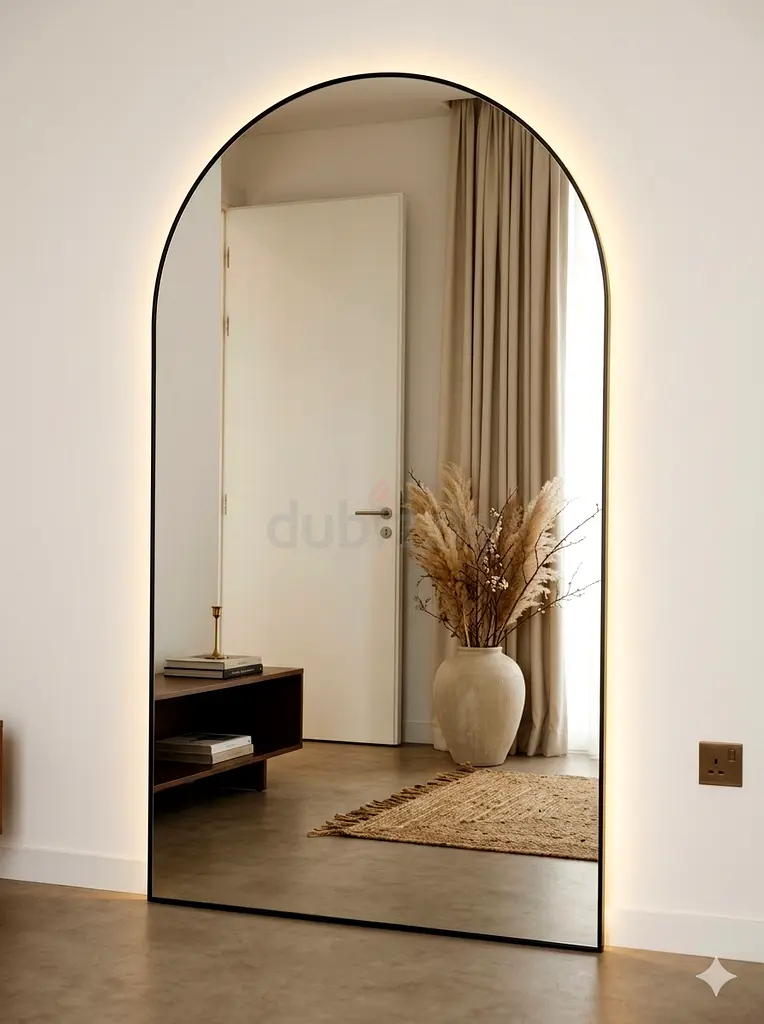
How to Wire an LED Wall Mirror Without an Electrician
An LED wall mirror can completely change the look and functionality of a bathroom, bedroom, dressing area, or hallway. With built-in illumination, these mirrors provide both reflection and practical lighting while creating a clean, contemporary appearance.
But when it comes to wiring an LED mirror, there is an important distinction between simple plug-in installation and connecting the mirror directly to a building's electrical wiring. If your mirror comes with a standard plug and is designed for a suitable outlet, setting it up can be straightforward. However, hardwiring a mirror into a wall or bathroom electrical circuit involves mains electricity and should be handled by a qualified electrician.
That does not mean you cannot install or prepare your mirror yourself. There are several parts of the installation you can safely manage, including positioning, mounting preparation, cable management, and plug-in setup.
Transform Your Space with Premium Architectural Glass
Custom laminated, decorative & luxury glass solutions for villas, hotels and commercial projects.
First, Check What Type of LED Mirror You Have
Before doing anything, identify how the mirror is designed to receive power.
Some LED mirrors are supplied with a standard plug and are designed to connect to an appropriate electrical outlet. Others are designed for direct connection to an electrical circuit and may require a professional electrician.
The manufacturer's installation instructions should always be checked first.
Do not assume that two mirrors with similar appearances have the same electrical requirements. The power connection, voltage, switch arrangement, cable configuration, and protection requirements can vary between models.
If your mirror is designed for plug-in use, installation is generally simpler. If it has exposed wires intended for a permanent connection, professional electrical installation is the safer choice.
Choose the Installation Location Carefully
Before mounting your LED bathroom mirror, decide exactly where it needs to go.
Consider the height, viewing position, nearby furniture, existing lighting, wall construction, and location of the electrical outlet or connection point.
In a bathroom, the location is especially important because electrical equipment and water need to be treated carefully.
The mirror should be installed in a location appropriate for its electrical rating and intended use. Follow the manufacturer's instructions regarding bathroom installation zones and minimum clearances.
If the planned location requires a new electrical outlet, moving an existing outlet, or connecting the mirror to the building's wiring, stop at the mounting stage and have the electrical work completed by a qualified professional.
Measure Before You Drill
A common installation mistake is starting with the drill before checking the measurements.
Measure the width and height of the mirror, then mark its intended position on the wall. Check that the mirror will be centred over the vanity or other furniture.
Also identify where the mounting brackets, cleats, or fixing points are located on the back of the mirror.
If the mirror is large or heavy, the wall must be capable of supporting its weight and the correct anchors or fixing system should be used.
For tiled bathroom walls, extra care is needed when drilling. The wrong bit or excessive pressure can damage tiles.
Taking a few minutes to measure and mark everything first can prevent much bigger problems later.
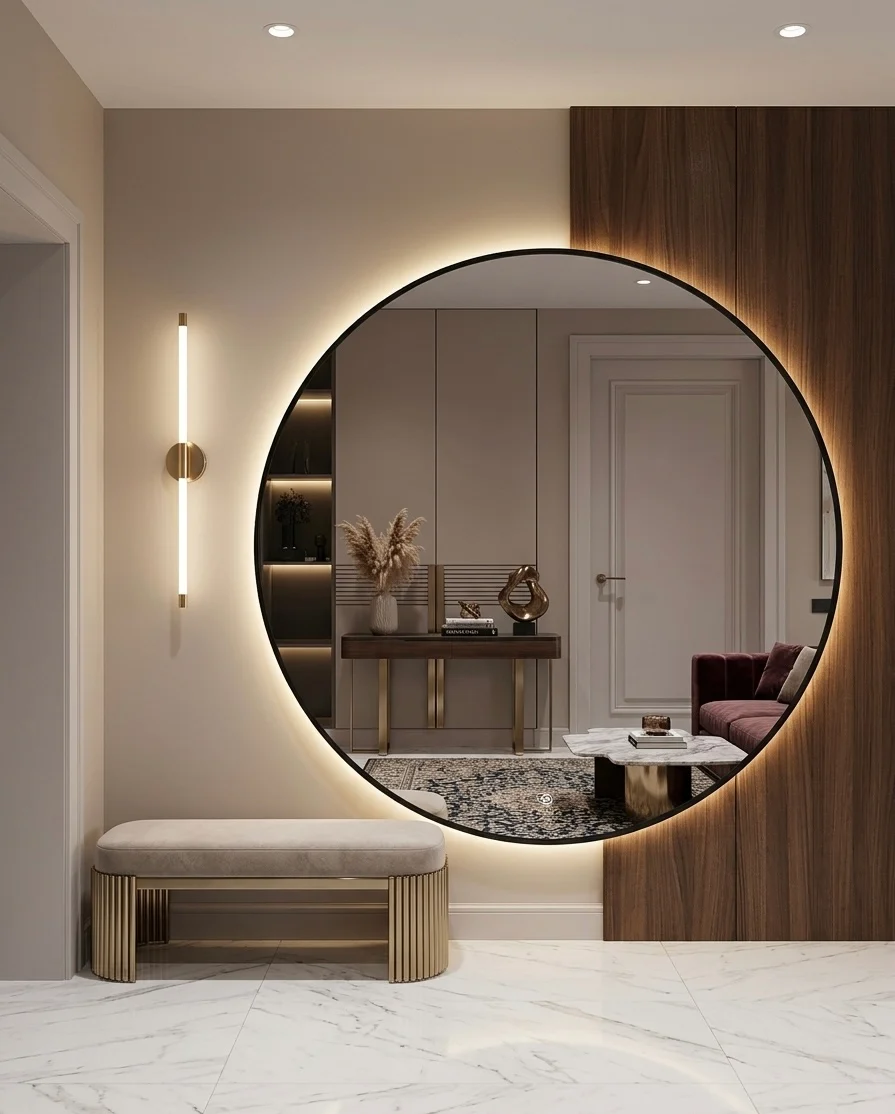
Find a Suitable Power Source
For a plug-in LED mirror, the simplest arrangement is usually an existing electrical outlet that is suitable for the mirror's plug and power requirements.
The cable should not be stretched tightly or placed where it can become trapped behind the mirror.
Avoid running electrical cables through areas where they could be pinched by mounting hardware or exposed to water.
If there is no suitable outlet near the mirror, do not improvise by cutting the plug off or connecting wires yourself. Installing or modifying electrical circuits should be left to a qualified electrician.
Do Not Cut the Factory Plug
This is one of the most important points for DIY installation.
If your mirror has a factory-fitted plug, do not cut it off simply because you want to hide the cable or connect the mirror directly to the wall.
Removing the plug changes the intended electrical connection and can create a serious safety issue.
If you want a cleaner, concealed appearance, an electrician can provide a suitable permanent connection or install an appropriate outlet based on the mirror's requirements.
The goal should be a neat installation without compromising electrical safety.
Mount the Mirror Before Connecting Power
Once the location and mounting points have been checked, install the mirror according to the manufacturer's instructions.
Make sure all brackets and fixings are properly secured before connecting the mirror to power.
Do not allow the weight of the mirror to hang from its electrical cable.
The cable should remain completely independent of the mounting system.
For heavier LED vanity mirror installations, having another person assist with lifting and positioning can make the installation safer and reduce the risk of dropping or damaging the mirror.
Keep the Cable Neat and Protected
For a plug-in installation, cable management can make a major difference to the final appearance.
The cable should follow a safe route from the mirror to the outlet without sharp bends or unnecessary tension.
Cable clips or suitable cable-management accessories can help keep it organized, but do not attach anything in a way that damages the insulation.
If you want the cable completely hidden inside the wall, that is no longer a simple cosmetic job. Concealed electrical wiring should be installed by a qualified electrician using appropriate methods and materials.
A professional can also determine whether a new outlet or dedicated connection is appropriate.
Test the Mirror Before Finalizing Everything
If your mirror uses a plug-in connection, test it according to the manufacturer's instructions before completing any final cable management.
Check that the LED illumination works correctly and that any additional features, such as touch controls, dimming, colour-temperature adjustment, demisting functions, or sensors, operate as expected.
Do not continue using the mirror if you notice unusual heat, sparks, buzzing, a damaged cable, flickering that is not part of the intended operation, or any other electrical problem.
Disconnect the power and seek professional assistance.
What About Touch-Sensor LED Mirrors?
Many modern mirrors include touch controls that allow the user to switch the illumination on and off with a simple touch.
Some models may also include dimming or colour-changing functions.
These features can make a mirror with LED lights much more convenient, but they also mean that the mirror's electrical system should be treated as a complete product.
Avoid opening the mirror or modifying its internal wiring just to change how the controls operate.
If you want the mirror connected to a wall switch, ask a qualified electrician whether the specific model supports that configuration.
Bathroom Safety Should Come First
Bathrooms require additional care because they combine electricity, moisture, and wet surfaces.
Never assume that a normal household electrical connection is automatically suitable for every bathroom installation.
The mirror itself should have the appropriate electrical protection and rating for the location where it will be installed. Installation should follow applicable local electrical requirements and the manufacturer's instructions.
If the installation requires new wiring, an electrical outlet, a permanent connection, or changes to an existing circuit, use a licensed or qualified electrician.
Saving money on the electrical portion of an installation is not worth creating a potential shock or fire hazard.
When DIY Installation Is Reasonable
There are some parts of an LED mirror installation that most careful homeowners can prepare themselves.
You can measure the wall, determine the ideal mirror position, identify suitable mounting points, prepare the mounting hardware, and organize the installation area.
If the mirror is specifically designed for plug-in operation and you already have a suitable outlet, you may also be able to complete the physical mounting and plug it in according to the manufacturer's instructions.
The important thing is to stay within the limits of the product's intended installation method.
When You Need an Electrician
You should involve a qualified electrician if the mirror needs to be hardwired, if a new outlet needs to be installed, if existing wiring needs to be moved, or if the mirror's electrical connection does not match the available power supply.
Professional help is also appropriate if you are unsure about the electrical requirements.
An electrician can handle the mains connection, grounding, circuit protection, switches, and concealed wiring while ensuring the installation complies with applicable requirements.
You can still handle the design and mounting preparation while leaving the electrical work to the appropriate professional.
Choosing the Right LED Mirror in the First Place
A successful installation starts before the mirror arrives.
When selecting LED mirrors, consider the size, illumination, colour temperature, controls, demisting function, mounting method, electrical connection, and intended location.
For bathrooms, pay particular attention to the manufacturer's suitability information and electrical rating.
For bedrooms and dressing areas, features such as adjustable brightness and even illumination can be especially useful.
A well-designed LED vanity mirror should provide useful lighting without creating harsh shadows or unnecessary glare.
Why Professional Mirror Fabrication Still Matters
The electrical connection is only one part of the overall installation.
The quality of the mirror itself, the LED system, frame or edging, mounting hardware, glass processing, and finishing all contribute to the final result.
Working with an experienced glass and mirror company can help ensure that the mirror is correctly manufactured for the intended application.
Safin Glass & Aluminium provides customized mirror and glass solutions, including LED mirror options for residential and commercial interiors. The company can help with specifications, mirror design, finishing, and installation requirements based on the project.
For customers looking for a mirror with LED lights, discussing the intended location and features in advance can help ensure that the final product suits both the design and practical requirements of the space.
Conclusion
Installing an LED mirror does not always require an electrician, but it depends on how the mirror is designed to receive power.
If you have a plug-in model and an appropriate existing outlet, you can often handle the physical installation by following the manufacturer's instructions. However, hardwiring, installing new outlets, modifying electrical circuits, or concealing mains wiring should always be handled by a qualified electrician.
For an LED wall mirror, careful positioning and secure mounting are just as important as the electrical connection. In bathrooms, additional attention is required because moisture and electricity create specific safety considerations.
The best approach is simple: handle the installation tasks that are genuinely DIY-friendly, and leave mains electrical work to a professional. This allows you to enjoy the appearance and convenience of LED mirrors without taking unnecessary electrical risks.
Frequently Asked Questions
Can I install an LED mirror myself?
You can often install the physical mirror yourself if it is designed for plug-in operation and you have a suitable existing outlet. Hardwiring or modifying electrical circuits should be handled by a qualified electrician.
Can I connect an LED bathroom mirror directly to wall wiring?
If the mirror is designed for permanent connection, it should be connected by a qualified electrician. Do not cut a factory plug or attempt mains wiring yourself.
Can I hide the cable behind an LED wall mirror?
The cable can be managed neatly, but permanently concealing electrical wiring inside a wall should be done by a qualified electrician using an appropriate installation method.
Are LED vanity mirrors safe for bathrooms?
They can be, provided the specific mirror is designed and rated for the intended bathroom location and installed according to the manufacturer's instructions and applicable electrical requirements.
What should I check before buying a mirror with LED lights?
Check the mirror's dimensions, LED brightness, colour temperature, controls, demisting features, mounting method, electrical connection, and suitability for the intended location.
Why does my LED mirror flicker?
Flickering can have several causes, including a power-supply issue, incompatible electrical connection, faulty LED components, or another electrical problem. If the flickering is unexpected, disconnect the mirror and have it checked rather than modifying the wiring yourself.
Does Safin Glass & Aluminium provide LED mirrors?
Safin Glass & Aluminium offers customized glass and mirror solutions, including LED mirror options designed for different residential and commercial applications.