
GLASS & ALUMINUM
BLOG
What Is the Process Behind Laminated Glass Metal Mesh Production?
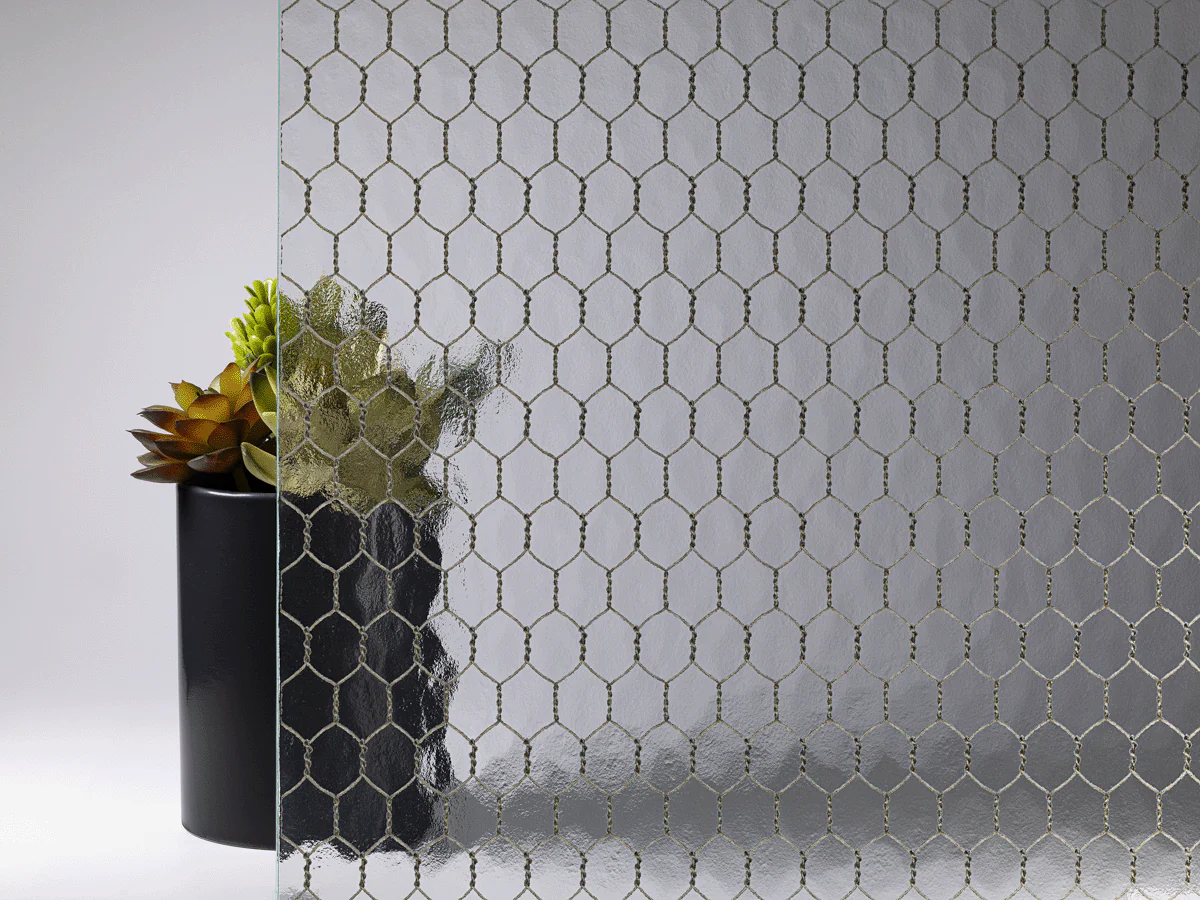
Laminated glass metal mesh has become one of the most innovative materials in modern architecture and interior design. It combines the durability and clarity of glass with the strength, pattern, and texture of metal mesh. The result is a stylish, safe, and highly functional material used in luxury buildings, hotel interiors, office partitions, facades, railings, and decorative design features. But what exactly goes into creating metal mesh laminated glass? How is it produced, and why has it become such a popular choice?
Understanding the production process helps designers, builders, and homeowners appreciate the craftsmanship and technology behind laminated glass metal mesh. Below is a detailed explanation of how it is made and why metal mesh lamination services play a major role in transforming ordinary glass into an architectural masterpiece.
Understanding Metal Mesh Laminated Glass
Metal mesh laminated glass is produced by embedding a metal mesh layer between two sheets of glass. The materials are bonded under high heat and pressure, forming a single durable panel. This process creates a visually striking material that combines transparency with metallic texture. The mesh can be woven, expanded, perforated, or patterned based on the design requirements.
Applications include partitions, wall cladding, elevators, skylights, balustrades, facades, retail displays, and luxury interiors. Its unique mix of artistic beauty and structural strength makes it a preferred choice for high-end architectural projects.
The Step-by-Step Process Behind Metal Mesh Lamination
Producing laminated glass metal mesh involves a carefully controlled series of steps. Each stage ensures quality, durability, safety, and perfect appearance.
Step 1: Selection of the Metal MeshThe process begins with choosing the right metal mesh. This step plays a major role in the final look and performance of the glass.
Different types of metal mesh include:
Stainless steel mesh
Bronze mesh
Aluminum mesh
Copper mesh
Decorative woven mesh
Perforated metal panels
Each type gives a unique effect. Stainless steel mesh creates a modern industrial look, copper and bronze offer warm tones, and woven patterns create artistic textures. The thickness, pattern, and density of the mesh are selected depending on the design.
Step 2: Cutting and Preparing the MeshAfter selecting the metal mesh, it is cut to match the exact dimensions of the glass sheets. The mesh must be perfectly aligned to sit between the glass layers without wrinkles or defects. Any irregularity will affect the visual quality of the finished metal mesh glass.
The mesh is then cleaned to remove dust, oils, and manufacturing residues. Cleanliness is essential because even small particles can affect lamination quality.
Step 3: Selection and Preparation of the Glass SheetsHigh-quality glass sheets are chosen for the lamination process. These may include:
Clear glass
Tempered glass
Low-iron glass
Tinted glass
Frosted or patterned glass
The glass sheets are washed and dried using specialized machines. Thorough cleaning ensures strong bonding between the layers during metal mesh lamination.
Step 4: Placement of the InterlayerAn interlayer film, usually PVB (polyvinyl butyral) or EVA (ethylene-vinyl acetate), is placed between the glass sheets. This interlayer acts as the bonding material during lamination.
The role of the interlayer is to:
Bind the glass and metal mesh together
Enhance strength and safety
Improve sound insulation
Block UV rays
Hold the glass fragments in place if breakage occurs
The thickness of the interlayer varies depending on the product’s purpose.
Step 5: Layering the Glass, Interlayer, and Metal MeshThe assembly is carefully layered in the following order:
Glass sheet
Interlayer film
Metal mesh
Interlayer film
Glass sheet
Precision is essential. Misalignment can cause uneven edges, trapped air, or visible flaws. Technicians ensure that the metal mesh lies perfectly flat and centered.
Step 6: Pre-Pressing the LayersBefore final lamination, the assembled layers go through a pre-pressing stage. This removes air pockets and allows the glass, mesh, and interlayer to settle together.
Two common methods are used:
Vacuum bagging
Roller pressing
Both techniques help eliminate trapped air and improve final bonding.
Step 7: The Lamination Process (Heat and Pressure)The laminated glass metal mesh assembly is placed inside an autoclave. This is a high-pressure and high-temperature chamber used specifically for lamination.
Inside the autoclave:
Temperatures reach around 130 to 150 degrees Celsius
Pressure levels rise to 10–15 bars
The interlayer melts and fuses with the glass and mesh
This step transforms the loose layers into a single, solid panel. The metal mesh becomes permanently encapsulated between the glass sheets.
Step 8: Cooling and StabilizationAfter lamination, the glass is slowly cooled. Controlled cooling prevents thermal stress and ensures a stable, high-quality final product. The metal mesh laminated glass panel is then inspected for clarity, bonding strength, alignment, and surface perfection.
Step 9: Edge Finishing and PolishingOnce the laminated glass metal mesh panel is produced, the edges are trimmed and polished. Smooth edges ensure safety, reduce the risk of chipping, and give the glass a clean, finished appearance.
Step 10: Quality Control and TestingBefore delivery, the glass undergoes strict quality checks, including:
Visual inspections
Impact resistance tests
Bonding tests
Light transmission evaluation
Mesh alignment checks
This ensures the metal mesh glass meets safety, durability, and aesthetic standards.
Benefits of Laminated Glass Metal Mesh
Enhanced StrengthMetal mesh laminated glass is much stronger than ordinary glass. The mesh reinforces the panel, making it suitable for demanding applications.
Superior SafetyIf damaged, the interlayer keeps the glass intact, preventing dangerous shards.
Unique Aesthetic AppealThe combination of transparency and metallic texture creates stunning visual effects.
Improved Light ControlThe mesh helps diffuse light and reduce glare.
Durability and LongevityThe metal mesh is sealed inside the glass, protecting it from corrosion, dust, and weather.
Acoustic InsulationThe laminated structure improves sound reduction, ideal for offices and commercial buildings.
Heat and UV ProtectionThe interlayer blocks UV radiation and contributes to better temperature control.
Low MaintenanceSince the mesh is protected inside, only the glass surface needs cleaning.
Common Applications of Metal Mesh Laminated Glass
Interior partitions
Balustrades and railings
Decorative wall panels
Hotel and office lobbies
Retail displays
Skylights
Doors and sliding panels
Elevator interiors
Architectural facades
Its ability to combine structural integrity with artistic design makes it suitable for both functional and decorative purposes.
ConclusionThe process behind laminated glass metal mesh production involves precision, technology, and craftsmanship. From carefully selecting the mesh and glass to the final autoclave lamination, every step ensures the creation of a material that is both beautiful and durable. Metal mesh lamination services make it possible to transform simple glass into a creative architectural feature that enhances modern interiors and exteriors.
Whether used in luxury buildings, corporate spaces, or artistic installations, metal mesh laminated glass offers a unique blend of safety, elegance, and performance. It stands as one of the most innovative materials in today’s design world, delivering long-lasting value and style.