
GLASS & ALUMINUM
BLOG
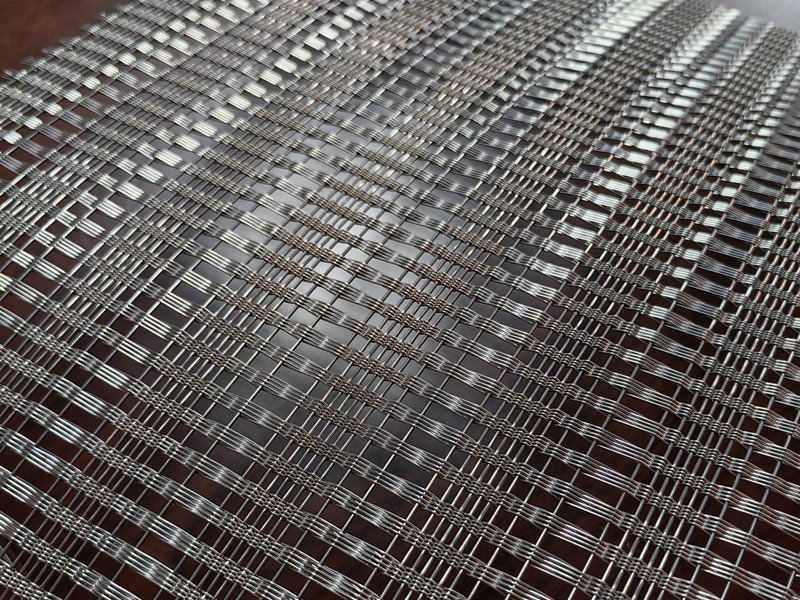
Factors That Affect the Cost of Metal Mesh Lamination
Metal mesh lamination has become an increasingly popular solution in modern architecture and interior design. By embedding metal mesh between layers of glass, this technique enhances both strength and visual appeal. It is widely used in commercial buildings, luxury interiors, and high-end residential projects. However, the cost of metal mesh lamination can vary significantly depending on several factors.
For companies like Safin Glass, understanding these cost factors is essential for delivering quality solutions that align with client budgets. Whether you are planning a large construction project or a customized interior feature, knowing what influences pricing can help you make informed decisions.
Type of Metal Mesh Used
One of the primary factors affecting the cost is the type of metal mesh selected. Different metals such as stainless steel, aluminum, copper, and brass have varying price points.
Stainless steel is commonly used due to its durability and resistance to corrosion, but it can be more expensive than aluminum. Decorative metals like copper and brass often come at a premium because of their aesthetic appeal.
The choice of material directly impacts the overall cost of the lamination process.
Mesh Design and Pattern Complexity
The design and pattern of the metal mesh also play a significant role in determining cost. Simple, uniform patterns are generally more affordable, while intricate and custom designs require additional manufacturing effort.
Complex patterns may involve specialized machinery and skilled craftsmanship, which increases production costs. Customization adds uniqueness to the project but also raises the price.
Transform Your Space with Premium Architectural Glass
Custom laminated, decorative & luxury glass solutions for villas, hotels and commercial projects.
Thickness of Glass and Mesh
The thickness of both the glass and the embedded mesh affects the cost. Thicker glass provides greater strength and durability but requires more material and processing.
Similarly, thicker or denser mesh adds to the overall expense. Projects that require enhanced safety or structural strength often use thicker materials, which increases the total cost.
Size and Scale of the Project
The size of the project is another important factor. Larger panels or installations require more materials and labor, leading to higher costs.
However, bulk production can sometimes reduce the cost per unit. Large-scale projects may benefit from economies of scale, making them more cost-effective compared to smaller custom jobs.
Type of Glass Used
The type of glass used in the lamination process also influences pricing. Options include clear glass, tinted glass, tempered glass, and laminated safety glass.
High-performance glass types, such as tempered or low-emissivity glass, are more expensive due to their advanced properties. The choice of glass depends on the project's requirements, including safety, insulation, and aesthetics.
Lamination Technology and Process
The technology used in the lamination process can significantly impact cost. Advanced lamination techniques ensure better bonding, clarity, and durability.
High-quality processes require specialized equipment and skilled technicians, which can increase production costs. However, these methods also deliver superior results and long-term reliability.
Customization and Design Requirements
Customization is a major cost driver in metal mesh lamination. Tailored designs, unique finishes, and specific dimensions require additional time and resources.
While standard designs are more affordable, customized solutions provide a distinctive look that enhances the overall project. Clients must balance their design preferences with budget considerations.
Installation Complexity
The complexity of installation can also affect the overall cost. Projects that require intricate fitting, specialized tools, or additional structural support may involve higher labor expenses.
Installation in high-rise buildings or difficult-to-access areas can further increase costs. Proper planning and professional installation help ensure a smooth process and reduce potential issues.
Labor and Expertise
Skilled labor is essential for producing high-quality laminated glass with metal mesh. Experienced professionals ensure precision and attention to detail throughout the process.
Labor costs can vary depending on the level of expertise required and the complexity of the project. Investing in skilled workmanship ensures better results and long-term performance.
Transportation and Logistics
Transportation and logistics are often overlooked but can significantly impact costs. Large glass panels require careful handling and secure packaging to prevent damage.
Shipping costs may increase for long-distance deliveries or international projects. Efficient logistics planning helps minimize these expenses.
Quality Standards and Certifications
Meeting quality standards and certifications can add to the cost but ensures reliability and safety. Certified products undergo rigorous testing and meet industry regulations.
Using certified materials is particularly important for commercial and public projects, where safety is a top priority.
Energy Efficiency and Performance Features
Some projects require additional features such as energy efficiency, sound insulation, or UV protection. These enhancements involve advanced materials and technologies, which increase costs.
However, they also provide long-term benefits such as reduced energy consumption and improved comfort.
Maintenance and Durability
The durability of metal mesh laminated glass affects its long-term cost. High-quality materials and processes result in products that require minimal maintenance.
While the initial investment may be higher, durable solutions reduce maintenance and replacement costs over time.
Market Demand and Supply
Market conditions can influence the cost of materials and services. High demand for metal mesh lamination may lead to increased prices.
Availability of raw materials and fluctuations in metal prices also impact overall costs. Staying informed about market trends can help in planning budgets effectively.
Environmental Considerations
Sustainable materials and eco-friendly processes may add to the cost but are becoming increasingly important. Many projects now prioritize environmental responsibility.
Using recyclable materials and energy-efficient production methods can contribute to sustainability goals.
Role of Safin Glass
Safin Glass plays a crucial role in providing high-quality metal mesh lamination solutions. With a focus on innovation and precision, the company delivers products that meet both aesthetic and functional requirements.
By offering customized solutions and maintaining strict quality standards, Safin Glass ensures that clients receive value for their investment. Their expertise helps optimize costs while delivering exceptional results.
Balancing Cost and Value
When considering metal mesh lamination, it is important to focus on value rather than just cost. Cheaper options may compromise quality and durability, leading to higher expenses in the long run.
Investing in high-quality materials and professional services ensures better performance and longevity. A balanced approach helps achieve both budget and design goals.
Conclusion
The cost of metal mesh lamination is influenced by multiple factors, including material selection, design complexity, glass type, and installation requirements. Understanding these factors allows clients to make informed decisions and plan their projects effectively.
For companies like Safin Glass, delivering high-quality solutions while managing costs is a priority. By focusing on precision, customization, and durability, they help clients achieve the perfect balance between aesthetics and functionality.
Metal mesh lamination is not just a design choice; it is an investment in quality, safety, and long-term performance. By considering all cost factors, you can ensure that your project meets both your expectations and your budget.
Frequently Asked Questions
What is metal mesh lamination
It is a process of embedding metal mesh between glass layers to enhance strength and design.
What factors affect the cost of metal mesh lamination
Factors include material type, design complexity, glass thickness, installation, and customization.
Is metal mesh laminated glass expensive
It can be more expensive than standard glass, but it offers better durability and aesthetics.
Can the cost be reduced without compromising quality
Yes, by choosing standard designs and materials while maintaining essential quality standards.
Does Safin Glass offer customized metal mesh lamination
Yes, Safin Glass provides tailored solutions based on project requirements and design preferences.