
GLASS & ALUMINUM
BLOG
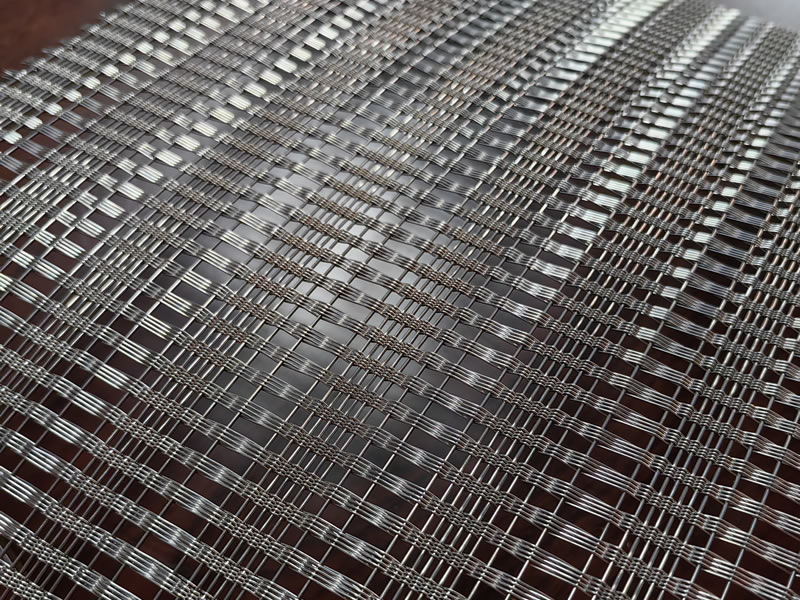
Future Innovations in Metal Mesh Laminated Glass Technology
Modern architecture continues evolving toward materials that combine aesthetics, strength, functionality, and sustainability. Among the many innovations shaping contemporary building design, metal mesh laminated glass has emerged as one of the most versatile and visually striking solutions for both residential and commercial applications.
Architects and designers increasingly prefer laminated glass systems because they provide a balance between transparency, durability, and decorative appeal. By embedding metal mesh between layers of laminated glass, manufacturers create surfaces that enhance modern interiors and façades while also improving structural performance and safety.
As technology advances, metal mesh laminated glass is expected to become even more sophisticated. Future innovations are focusing on smart functionality, energy efficiency, sustainability, customization, and advanced manufacturing techniques that will redefine how glass is used in modern construction and interior design.
Understanding Metal Mesh Laminated Glass
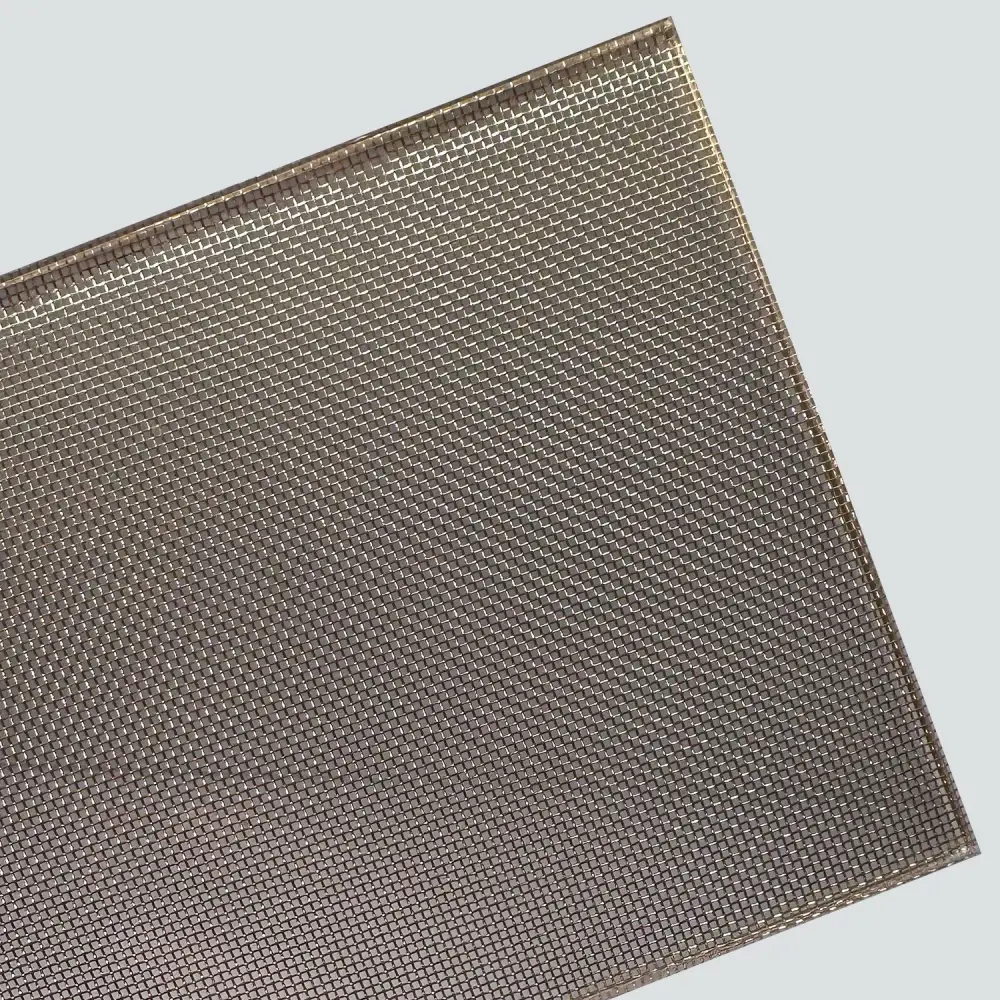
Metal mesh laminated glass is created by embedding metallic mesh materials between layers of glass using specialized lamination processes.
The mesh can vary in texture, thickness, pattern, and finish depending on the intended architectural or decorative purpose. These systems combine the transparency of glass with the visual depth and texture of metal, creating highly modern and elegant surfaces.
Applications include office partitions, façades, stair railings, decorative walls, retail interiors, hotel designs, elevators, and luxury residential projects.
Growing Demand for Architectural Innovation
Contemporary architecture increasingly values materials that provide both performance and aesthetic flexibility.
Modern buildings are expected to deliver energy efficiency, visual sophistication, durability, and sustainable performance simultaneously. Metal mesh laminated glass aligns well with these requirements because it supports natural light transmission while adding texture, privacy, and structural reinforcement.
As cities continue embracing futuristic architectural styles, demand for advanced laminated glass systems is expected to grow rapidly.
Smart Glass Integration
One of the most important future developments in laminated glass technology is smart functionality.
Researchers and manufacturers are integrating electronic technologies into glass systems that allow users to control transparency, lighting, and thermal performance automatically. Future metal mesh laminated glass may combine decorative mesh with switchable smart glass technology that changes opacity according to sunlight levels or privacy requirements.
This innovation could significantly improve comfort, energy efficiency, and user experience in commercial and residential buildings.
Transform Your Space with Premium Architectural Glass
Custom laminated, decorative & luxury glass solutions for villas, hotels and commercial projects.
Enhanced Energy Efficiency
Energy-efficient buildings are becoming a major priority worldwide.
Future laminated glass systems are expected to improve insulation and solar control capabilities while maintaining elegant aesthetics. Advanced coatings and mesh configurations may help regulate indoor temperatures more effectively by reducing heat transfer and controlling sunlight penetration.
These developments can reduce reliance on air conditioning systems and improve overall building sustainability.
Architects increasingly seek façade materials that contribute positively to environmental performance without compromising design quality.
Advanced Mesh Materials and Finishes
Future innovations are likely to introduce new types of mesh materials with improved strength, flexibility, and visual effects.
Manufacturers are experimenting with stainless steel, copper, aluminum alloys, and specialized coated metals that offer unique reflective and decorative properties.
Textured and multi-layered mesh patterns may create dynamic visual experiences that change appearance depending on lighting angles and viewing positions.
These advancements will provide designers with even greater creative freedom for customized architectural concepts.
Improved Safety and Structural Performance
Safety remains one of the most important aspects of architectural glass technology.
Future laminated systems are expected to provide stronger impact resistance, improved fire performance, and enhanced durability under extreme environmental conditions.
Advanced interlayer technologies may increase the ability of laminated glass to hold fragments together after breakage, improving protection in both residential and commercial environments.
Improved structural performance will also support larger glass panels and more ambitious architectural designs.
Integration With LED and Interactive Lighting
Lighting integration is becoming increasingly important in modern architecture.
Future metal mesh laminated glass systems may incorporate embedded LED technologies that create illuminated surfaces and interactive visual effects. Decorative lighting combined with metallic mesh textures can transform walls, partitions, and façades into dynamic architectural features.
Interactive lighting systems could also respond to motion, environmental conditions, or user preferences, enhancing both functionality and aesthetics.
Sustainable Manufacturing Practices
Sustainability is expected to remain a major focus in the future of architectural materials.
Manufacturers are increasingly developing eco-friendly production methods that reduce waste, lower emissions, and improve recyclability. Future laminated glass systems may incorporate recycled materials and low-energy manufacturing technologies to support greener construction practices.
Sustainable innovation will become especially important as global environmental regulations continue evolving.
Customization Through Digital Fabrication
Digital fabrication technologies are transforming modern manufacturing processes.
Future laminated glass production may use advanced digital systems that allow highly precise customization of mesh patterns, textures, and finishes. Architects and designers could create unique decorative effects tailored specifically to individual projects.
This level of customization will help support more creative and personalized architectural solutions across residential, hospitality, and commercial sectors.
Lightweight and Thinner Glass Solutions
Reducing material weight while maintaining strength is another major focus in future glass innovation.
Advanced lamination technologies may allow thinner yet stronger glass panels that reduce structural load requirements and improve installation efficiency.
Lightweight systems can also contribute to reduced transportation costs and improved sustainability while supporting modern minimalist architectural styles.
Applications in Smart Buildings
Smart buildings rely on integrated technologies that improve comfort, efficiency, and operational management.
Future metal mesh laminated glass systems may interact with automated building management systems to regulate light, temperature, and privacy dynamically.
This integration could help create more responsive and energy-efficient environments in offices, hotels, airports, and luxury residential developments.
Increased Use in Interior Design
Interior design trends increasingly favor materials that combine functionality with artistic expression.
Future laminated mesh systems are expected to play an even larger role in luxury interiors because they offer texture, transparency, and decorative sophistication simultaneously.
Designers may use advanced laminated panels in furniture, room dividers, feature walls, ceilings, and decorative architectural installations to create immersive and visually dynamic spaces.
Improved Acoustic Performance
Noise reduction is becoming more important in urban architecture and interior environments.
Future laminated glass systems may incorporate acoustic-enhancing interlayers that reduce sound transmission more effectively. Combining metal mesh textures with acoustic functionality could improve comfort in offices, hotels, conference rooms, and residential buildings.
Enhanced acoustic performance will support modern urban living and commercial functionality.
Role of Safin Glass
Safin Glass focuses on delivering advanced glass solutions designed to meet the evolving needs of modern architecture and interior design.
The company emphasizes precision craftsmanship, innovative fabrication methods, and customized glass systems that combine durability with contemporary aesthetics. Their expertise includes decorative laminated glass, architectural installations, and specialized glass applications tailored to residential and commercial projects.
By staying aligned with emerging industry trends and modern design standards, Safin Glass helps clients achieve sophisticated architectural solutions that balance performance, creativity, and visual excellence.
Future Outlook for the Industry
The future of metal mesh laminated glass technology appears highly promising as architecture continues embracing innovation, sustainability, and smart functionality.
Advancements in digital manufacturing, smart integration, sustainable materials, and interactive technologies are expected to redefine how laminated glass systems are used in modern buildings.
As urban development increasingly prioritizes energy efficiency and architectural distinction, laminated mesh glass solutions will likely become an essential feature in next-generation construction and interior design projects.
Conclusion
Metal mesh laminated glass technology continues evolving rapidly, offering exciting possibilities for the future of architecture and interior design. Innovations in smart functionality, energy efficiency, sustainability, lighting integration, and customization are transforming laminated glass into a highly advanced architectural material.
These developments provide architects and designers with new opportunities to create visually impressive, functional, and environmentally responsible spaces. Improved durability, safety, and digital fabrication capabilities will further expand the use of laminated mesh systems across residential and commercial projects.
With experienced companies like Safin Glass supporting modern architectural innovation, clients can access high-quality glass solutions that combine advanced technology, elegant aesthetics, and long-term performance for the future of contemporary design.
Frequently Asked Questions
What is metal mesh laminated glass?
It is glass that contains embedded metal mesh layers for decorative and structural purposes.
Why is laminated glass popular in modern architecture?
It combines safety, durability, transparency, and modern visual appeal.
Can future laminated glass become smart and interactive?
Yes, future innovations may include smart opacity control, LED integration, and automated building interaction.
How does laminated glass support sustainability?
Advanced systems improve energy efficiency and may use eco-friendly manufacturing processes.
Why choose Safin Glass for architectural glass solutions?
Safin Glass provides innovative and customized glass systems designed for modern architectural applications.