
GLASS & ALUMINUM
BLOG
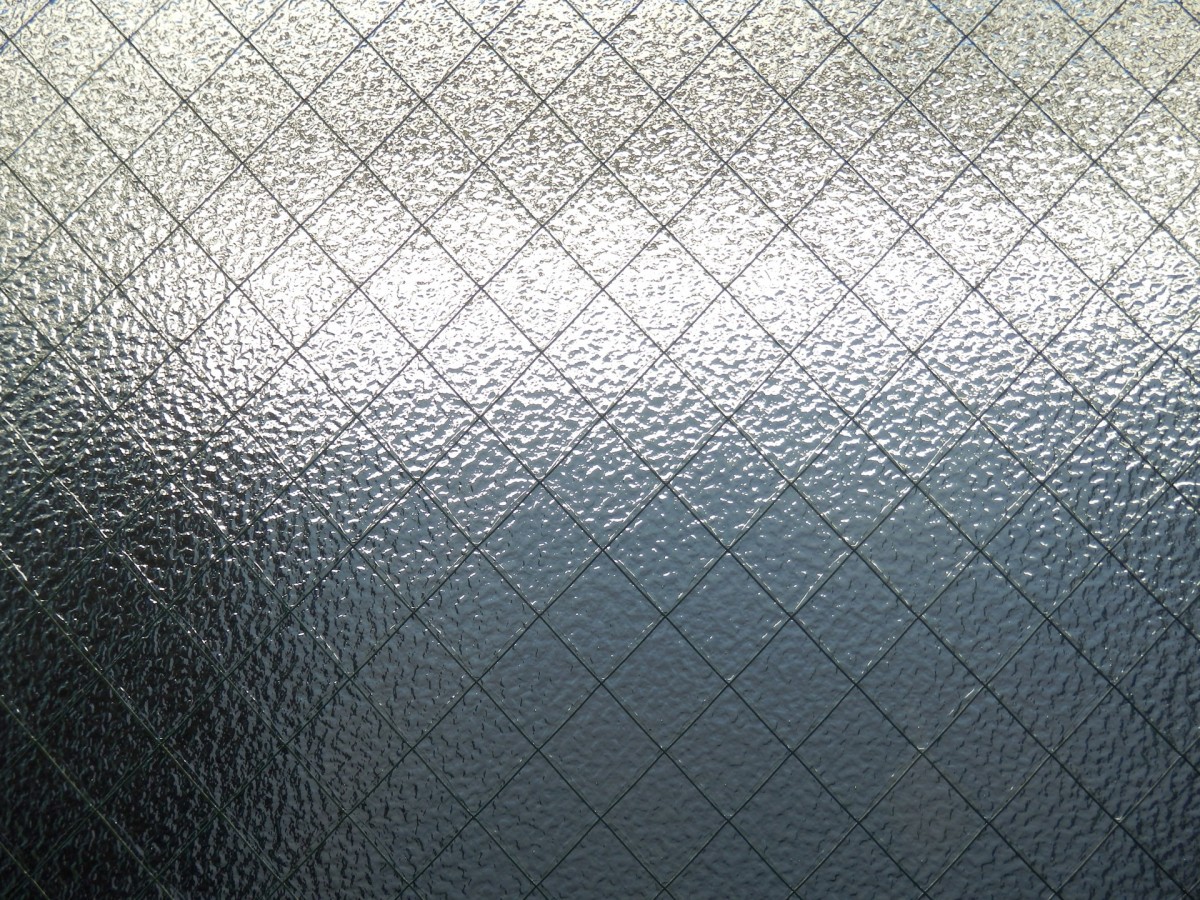
How Decorative Wire Mesh Is Embedded Into Laminated Glass
Learn how decorative wire mesh is embedded into laminated glass, the materials used, the process involved, and why it is becoming one of the most sought-after finishes in modern architecture. Expert insights from Safin Glass.
There is a moment when you walk into a beautifully designed space and notice something in the glass that you cannot quite identify at first. It catches the light differently. It has a depth and texture that standard glass does not. You move closer and realise there is a layer of metal mesh suspended within the glass itself, perfectly preserved, perfectly flat, creating a visual effect that sits somewhere between industrial and refined. That is decorative wire mesh laminated glass, and once you understand how it is made and what it can do, it is one of the most compelling material choices available in contemporary architecture and interior design.
At Safin Glass, we work with clients who want their glass to do more than simply divide or enclose a space. They want it to become a design element in its own right. Decorative wire mesh laminated glass is one of the most striking ways to achieve this, and understanding the process behind it helps you make better decisions about when and how to use it.
What Is Decorative Wire Mesh Laminated Glass
Before understanding how it is made, it helps to understand what it actually is. Decorative wire mesh laminated glass is a composite material consisting of two or more layers of glass with a layer of metal mesh bonded permanently between them. The mesh becomes part of the glass structure itself rather than simply sitting behind or in front of it. The result is a panel that has the clarity and strength of laminated glass while carrying the visual texture, pattern, and reflective quality of the embedded metalwork.
The mesh layer can be made from a range of metals including stainless steel, copper, brass, and aluminium alloy, each bringing its own colour tone and character to the finished panel. The weave pattern, wire thickness, and aperture size of the mesh all vary, creating everything from fine, almost invisible textures to bold geometric patterns that command immediate attention. This variety is part of what makes decorative wire mesh laminated glass so adaptable across different architectural styles and applications.
The Embedding Process Explained
The process of embedding wire mesh into laminated glass is more precise and considered than it might initially appear. It is not a case of simply sandwiching a piece of mesh between two sheets of glass and sealing the edges. The structural integrity of the finished panel, the optical clarity of the glass, and the long-term bond between all three layers depend on the process being carried out correctly at every stage.
The process begins with the glass being prepared in a semi-molten state, which allows it to bond properly with the interlayer materials. The decorative wire mesh is positioned between the glass layers with precision, ensuring it lies completely flat and uniformly positioned across the full panel area. Any inconsistency in the mesh placement at this stage will be visible in the finished product, so the alignment process requires genuine skill and attention.
Transform Your Space with Premium Architectural Glass
Custom laminated, decorative & luxury glass solutions for villas, hotels and commercial projects.
Once the mesh is correctly positioned, the glass and mesh layers are passed together through metal rollers under controlled pressure. This compression stage is critical. The pressure applied must be sufficient to bring the glass and mesh into intimate contact and initiate the bonding process, but the process must be managed carefully to avoid distorting the mesh pattern or introducing stress into the glass that could affect its performance or clarity. The result of this compression stage is a unified panel in which the mesh is entirely encapsulated within the glass structure.
The interlayer material, typically a polyvinyl butyral film similar to that used in standard laminated safety glass, plays a vital role in bonding the layers together and maintaining transparency. The thickness of this interlayer is specified according to the overall panel specification, with common interlayer thicknesses ranging from 0.38mm to 0.76mm depending on the glass thickness and the structural requirements of the application. The final panel is then processed under heat and further pressure to complete the lamination bond and produce a finished unit ready for use.
Glass Types Used in the Process
One of the strengths of decorative wire mesh laminated glass is the flexibility it offers in terms of the base glass type used. The glass layers on either side of the mesh can be specified in a wide range of types depending on what the application requires.
Standard annealed glass produces a cost-effective panel suitable for lower-risk interior applications. Tempered or toughened glass, which is significantly stronger than annealed glass and breaks into small blunt fragments rather than sharp shards, is used where safety performance or impact resistance is the priority. For applications requiring specific performance characteristics, the glass layers can be specified as low-emissivity glass for improved thermal performance, coated glass for solar control, silkscreen glass for additional privacy or decorative effect, or fire-rated glass where the panel must meet fire resistance standards. This range of options means that decorative wire mesh laminated glass can be specified not just for aesthetic reasons but as a fully functional performance material suited to demanding architectural conditions.
Where It Is Used and Why
The applications for decorative wire mesh laminated glass are broader than most people initially assume. In interior design it appears in partition walls, feature doors, balustrade infill panels, ceiling installations, furniture surfaces, and cabinet fronts. The metallic character of the embedded mesh adds warmth, texture, and a sense of craft to these elements that standard glass or frosted glass simply cannot provide.
In exterior and architectural applications, decorative wire mesh laminated glass is used in curtain wall systems, canopy glazing, overhead glazing, and facade cladding where its combination of structural performance, UV resistance, and visual interest makes it genuinely distinctive. Hotels, airports, museums, cultural institutions, and high-end commercial spaces have all embraced this material because it provides a level of finish and detail that is immediately noticeable and difficult to replicate with any other product.
The light behaviour of the material is one of its most celebrated qualities. During the day, natural light passes through the glass and interacts with the mesh layer, creating subtle variations in tone and shadow across the panel surface. In evening conditions, artificial lighting picks up the metallic quality of the mesh and gives the glass a warm, dimensional glow. This responsiveness to light conditions means the material never looks exactly the same twice, which is part of what makes it so compelling in long-term installations.
Why Safin Glass Works With This Material
At Safin Glass, we are drawn to materials that combine genuine technical performance with real visual character, and decorative wire mesh laminated glass delivers both. It is a material that rewards careful specification and skilled fabrication, and the results, when it is done well, are genuinely remarkable. Whether you are considering it for a feature partition, a statement facade element, or a bespoke furniture application, our team can help you identify the right mesh specification, glass type, and panel dimensions for your project and ensure the finished result lives up to the vision behind it.
Frequently Asked Questions
Q1. Is decorative wire mesh laminated glass safe to use in public and commercial spaces?
Yes. When the correct glass specification is used, decorative wire mesh laminated glass meets the safety requirements for commercial and public applications. Panels made with toughened or tempered glass offer significantly enhanced impact resistance, and the laminated construction means that even if the glass is broken, the layers remain bonded together rather than separating into dangerous fragments. For fire-rated applications, fire-resistant glass types can be incorporated into the laminated specification.
Q2. Can the wire mesh layer be seen clearly through the glass?
The visibility of the mesh layer depends on the wire diameter, aperture size, and pattern of the specific mesh used. Fine woven mesh with small wire diameters creates a subtle, almost translucent effect that is felt more as a texture than a visible pattern. Bolder mesh types with larger apertures and thicker wire create a more clearly defined geometric effect. Safin Glass can provide samples of different mesh options so clients can assess the visual result before committing to a specification.
Q3. How thick is a standard decorative wire mesh laminated glass panel?
Panel thickness varies depending on the glass thickness specified for each layer and the interlayer thickness. Common configurations range from panels using two 3mm glass sheets to those using 10mm or thicker glass on each side, with interlayer thicknesses typically between 0.38mm and 0.76mm. The appropriate specification depends on the size of the panel, the application, and any structural or safety performance requirements.
Q4. Can decorative wire mesh laminated glass be cut to custom sizes?
Yes. Decorative wire mesh laminated glass can be fabricated to custom dimensions to suit specific project requirements. However, because the lamination process bonds the mesh permanently within the glass, any cutting or shaping must be done before the panel is installed and ideally as part of the initial fabrication process. Safin Glass works with clients to establish precise panel dimensions at the design stage to ensure every panel arrives ready for installation without requiring further modification on site.
Q5. How do you clean and maintain decorative wire mesh laminated glass?
The surface of decorative wire mesh laminated glass is smooth sealed glass on both faces, which makes cleaning straightforward. A soft lint-free cloth with a mild glass cleaner is all that is needed for regular maintenance. Because the mesh is fully encapsulated within the glass, it is completely protected from dirt, moisture, and corrosion. There is no access to the mesh layer from the surface, which means the material is genuinely low maintenance in long-term use.