
GLASS & ALUMINUM
BLOG
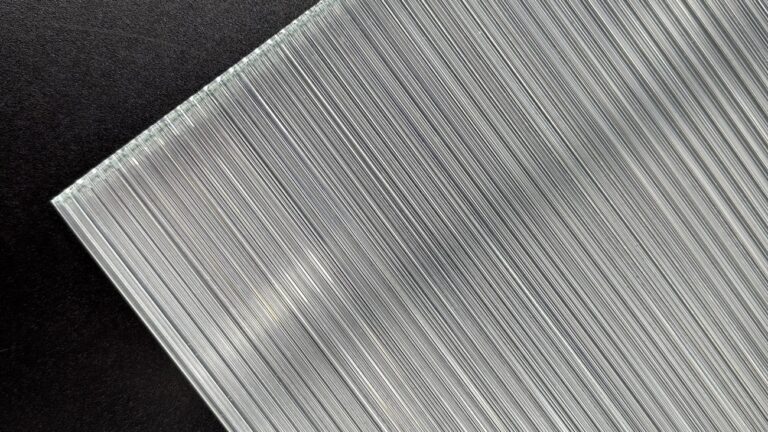
Is Fabric Mesh Laminated Glass Available in Different Thicknesses?
Modern architecture and interior design continue to evolve with innovative materials that combine aesthetics and functionality. One such material gaining popularity is fabric mesh laminated glass. Known for its unique visual appeal and structural benefits, this type of glass is widely used in both residential and commercial spaces.
A common question among designers, architects, and homeowners is whether this specialized glass is available in different thicknesses. The answer is yes—and understanding these variations is essential for selecting the right option for your project.
Transform Your Space with Premium Architectural Glass
Custom laminated, decorative & luxury glass solutions for villas, hotels and commercial projects.
What Is Fabric Mesh Laminated Glass?
Fabric mesh laminated glass is created by embedding a layer of fabric or metal mesh between two or more glass panels. This process not only enhances the visual appeal but also improves the strength and safety of the glass.
The embedded mesh can vary in pattern, color, and material, allowing for a wide range of design possibilities. It is often used in partitions, facades, railings, and decorative panels.
The lamination process ensures that the layers remain bonded together, even if the glass is broken, making it a safe and reliable choice.
Availability of Different Thickness Options
One of the key advantages of this material is its flexibility in thickness. Depending on the application, fabric mesh laminated glass can be manufactured in various thickness levels.
Typically, the thickness is determined by the number of glass layers and the type of interlayer used. Standard options may include thinner panels for interior use and thicker configurations for structural or exterior applications.
This adaptability makes it suitable for a wide range of projects, from decorative features to load-bearing installations.
How Thickness Impacts Performance
The thickness of laminated glass directly affects its strength, durability, and functionality. Thicker panels provide greater resistance to impact and are often used in areas where safety is a priority.
For example, in high-traffic areas or commercial buildings, thicker glass ensures better performance and longevity. On the other hand, thinner options are ideal for interior décor where weight and flexibility are more important.
Choosing the right thickness is essential to achieving the desired balance between aesthetics and performance.
Applications Based on Thickness
Different thickness levels are suited for different applications. Thin laminated glass is commonly used for decorative panels, cabinet inserts, and interior partitions.
Medium thickness options are often used for doors, windows, and railings, providing a balance between strength and design.
Thicker configurations are typically used in structural applications such as facades, skylights, and safety barriers, where maximum durability is required. Professional fabric mesh lamination services can guide you in selecting the appropriate thickness for your specific needs.
Aesthetic Flexibility with Thickness Variations
Thickness does not only influence performance—it also affects the visual appearance of the glass. Thicker panels can create a more pronounced depth effect, enhancing the visibility of the embedded mesh.
This adds a three-dimensional quality to the design, making it more visually striking. Thinner panels, on the other hand, offer a lighter and more subtle look.
This flexibility allows designers to achieve different aesthetic outcomes based on project requirements.
Role of Interlayers in Thickness Design
The interlayer used in laminated glass plays a crucial role in determining its overall thickness and performance. Materials such as PVB (polyvinyl butyral) or EVA (ethylene-vinyl acetate) are commonly used.
These interlayers not only bond the glass layers but also provide additional strength, sound insulation, and UV protection.
In decorative fabric mesh lamination, the interlayer also helps secure the mesh in place, ensuring a consistent and durable finish.
Safety and Durability Benefits
Laminated glass is known for its safety features. When broken, it does not shatter into sharp pieces but remains held together by the interlayer.
Thicker laminated glass enhances these safety benefits, making it suitable for areas where impact resistance is critical.
This makes it an ideal choice for both residential and commercial applications, especially in environments that require high safety standards.
Customization Options for Different Projects
One of the standout features of fabric mesh laminated glass is its ability to be customized. From thickness and size to mesh design and color, every aspect can be tailored to meet specific project requirements.
Fabric mesh lamination for glass allows designers to experiment with different combinations, creating unique and personalized solutions.
This level of customization ensures that the final product aligns perfectly with the overall design concept.
Choosing the Right Thickness for Your Needs
Selecting the appropriate thickness depends on several factors, including the intended use, location, and design preferences.
For decorative purposes, thinner panels may be sufficient. For structural or safety applications, thicker options are recommended.
Consulting experts ensures that you choose the right specifications for your project, avoiding potential issues and ensuring optimal performance.
Importance of Professional Expertise
The manufacturing and installation of laminated glass require precision and expertise. Working with experienced professionals ensures that the glass is produced and installed correctly.
High-quality fabric mesh laminated glass solutions not only enhance the appearance of your space but also provide long-lasting performance.
Professional guidance helps you make informed decisions and achieve the best results.
Delivering Quality and Innovation
Safin Glass is a trusted name in the industry, offering advanced glass solutions tailored to modern design needs. Their expertise in laminated glass technology ensures high-quality products that meet both aesthetic and functional requirements.
With a focus on innovation and precision, Safin Glass provides customized solutions that enhance the beauty and performance of any space.
Their commitment to quality makes them a reliable partner for residential and commercial projects.
Final Thoughts
Fabric mesh laminated glass is available in a variety of thicknesses, making it a versatile choice for different applications. From decorative interiors to structural installations, the right thickness ensures both functionality and visual appeal.
Understanding how thickness impacts performance, safety, and design allows you to make informed decisions for your project.
By working with experienced professionals and choosing high-quality materials, you can create spaces that are not only stylish but also durable and safe.
Frequently Asked Questions
1. Is fabric mesh laminated glass available in multiple thicknesses?
Yes, it is available in a range of thicknesses depending on the application.
2. Which thickness is best for interior use?
Thinner panels are usually suitable for decorative and interior applications.
3. Does thicker glass provide better safety?
Yes, thicker laminated glass offers higher impact resistance and durability.
4. Can I customize the thickness of laminated glass?
Yes, it can be tailored to meet specific project requirements.
5. What factors should I consider when choosing thickness?
Consider usage, location, safety requirements, and design preferences.
6. Why is professional installation important?
It ensures proper fitting, safety, and long-term performance.