
GLASS & ALUMINUM
BLOG
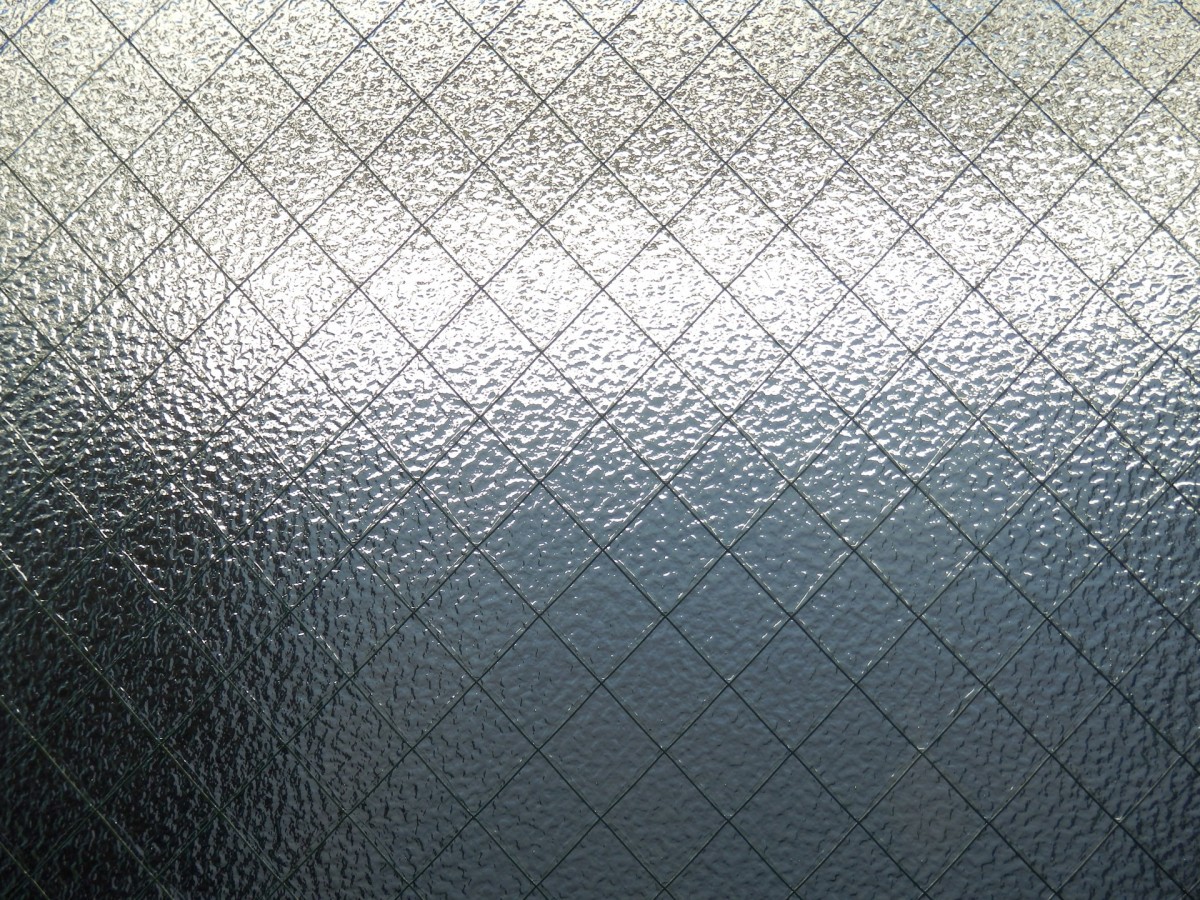
How Does Metal Mesh Lamination Enhance the Strength and Durability of Glass?
Glass has long been a favorite material for architects and designers because of its versatility, elegance, and ability to bring natural light into a space. However, as buildings become more advanced and design expectations rise, there is a growing need for glass that not only looks stunning but also offers superior strength, security, and long-term durability. One innovative solution that is transforming modern architectural applications is metal mesh lamination.
Metal mesh laminated glass combines the visual appeal of glass with the structural reinforcement of metal mesh, resulting in a material that is stronger, safer, and far more durable than traditional glass. It is now widely used in commercial buildings, residential interiors, hospitality spaces, high-security zones, and creative design features. But what exactly makes this laminated glass metal mesh solution so powerful, and how does the lamination process enhance the performance of glass?
In this in-depth guide, we break down how metal mesh lamination works, the science behind its enhanced strength, and the key benefits it brings to modern architectural projects.
Understanding Metal Mesh Laminated Glass
Metal mesh laminated glass is created by embedding a specially woven or patterned metal mesh layer between two or more sheets of glass. The layers are bonded together with strong interlayers, typically under heat and pressure, to create a single, unified panel.
This process ensures the metal mesh becomes an integral part of the glass assembly, offering both structural reinforcement and unique visual appeal. The mesh itself can be made from stainless steel, brass, copper, aluminum, or specialty alloys, depending on the desired aesthetic and performance level.
This combination of glass and metal mesh creates a highly robust material that enhances safety without sacrificing design flexibility.
The lamination process: How metal mesh strengthens glass
Metal mesh lamination is more than just adding a layer inside the glass. It is a highly technical process that significantly improves the mechanical properties of the glass panel.
Here’s how metal mesh lamination enhances strength and durability.
1. Reinforces the structural integrity of the glassThe layer of woven metal mesh acts as reinforcement, similar to the way steel bars reinforce concrete.
This reinforcement:
Reduces the risk of breakage
Improves load-bearing capacity
Adds internal support across the entire surface
Makes the glass resistant to external impact
The metal mesh distributes force more evenly, preventing the glass from failing under stress.
2. Prevents shattering and contains broken glassTraditional glass tends to shatter into dangerous shards upon impact. Metal mesh laminated glass behaves differently. In the event of breakage, the metal mesh holds the pieces together, preventing shards from scattering.
This improves:
Safety in high-traffic areas
Protection against accidents
Compliance with safety building codes
For commercial spaces, this containment feature is essential for both safety and liability.
3. Enhances impact resistanceMetal mesh glass is engineered to withstand high impact from external forces. Whether it is accidental force, vandalism, or flying debris, the mesh layer absorbs and distributes the energy, making the laminated glass far more resilient.
This makes metal mesh laminated glass suitable for:
Public buildings
Storefronts
Airports
Schools
Security-sensitive environments
The material’s resistance to breakage makes it a superior alternative to standard tempered or laminated glass.
4. Limits deflection and bending under pressureGlass panels often experience bending or flexing due to external pressure. The metal mesh layer minimizes this movement, making the panel more rigid and stable.
This is particularly beneficial in:
Large glass panels
Wall cladding
Ceiling features
Locations exposed to wind pressure
Less movement means improved durability, reduced stress points, and longer-lasting performance.
5. Provides fire resistance and heat stabilityCertain types of metal mesh lamination improve fire performance. The metal layer helps slow down heat transfer, making the glass more resistant to breaking under thermal stress.
In environments where safety is a priority, laminated glass metal mesh offers:
Better fire performance
Resistance to thermal shock
Increased structural stability during heat exposure
This makes it ideal for commercial buildings, hospitality environments, and industrial applications.
6. Adds long-term durability against wearSince the metal mesh is sealed inside the glass, it is protected from corrosion, moisture, and surface damage. This preserves both its appearance and strength over time.
Metal mesh laminated glass withstands:
Humidity
Temperature changes
Physical abrasion
UV exposure
This durability makes it suitable for both indoor and outdoor environments.
Key benefits of using metal mesh laminated glass in commercial spaces
Metal mesh lamination does more than just strengthen glass. It also enhances its performance in several other ways, making it a preferred material for architects and designers.
1. Combines strength with modern aestheticsMetal mesh laminated glass creates a striking and sophisticated appearance. The mesh patterns create depth, texture, and visual interest while maintaining transparency and light flow.
Some popular design applications include:
Hotel lobbies
Office partitions
Facades
Balustrades
Retail interiors
Feature walls
Businesses can choose from a range of mesh patterns, metals, and finishes to achieve the desired look.
2. Improves safety in public and high-traffic areasSafety is a major consideration in commercial design. Since metal mesh glass does not shatter easily, it provides greater protection for employees, customers, and visitors.
It meets or exceeds safety standards required for:
Public buildings
School campuses
Shopping centers
Transport hubs
Medical facilities
The enhanced safety and containment properties make metal mesh laminated glass an ideal choice for crowded or sensitive areas.
3. Provides custom design versatilityWith professional metal mesh lamination services, the design possibilities are extensive. Architects can customize:
Mesh pattern
Metal type
Glass thickness
Tint or color
Transparency levels
Texture
Shape and size
This allows full creative control while maintaining high structural performance.
4. Enhances acoustic performanceThe laminated structure naturally dampens sound, and the metal mesh layer further reduces noise transmission. This creates quieter, more comfortable spaces, especially important in:
Corporate offices
Conference rooms
Hotels
Restaurants
Hospitals
Noise control is a growing priority in commercial design, and metal mesh laminated glass offers a reliable solution.
5. Provides UV protectionThe laminated layers block a significant amount of UV radiation. This protects commercial interiors, furniture, artwork, and flooring from fading.
Businesses benefit from:
Longer-lasting interior finishes
Reduced maintenance costs
Improved comfort
This makes it ideal for spaces with large glass installations or heavy sunlight exposure.
6. Long-lasting and low maintenanceBecause the mesh is sealed between the glass, it stays protected and does not require any special care. The glass surface itself is easy to clean, scratch-resistant, and designed for longevity.
This saves time and maintenance costs in busy commercial environments.
Popular uses of metal mesh laminated glass
Metal mesh glass is now widely used in architecture and interior design. Some common applications include:
Interior wall panels
Room partitions
Storefronts
Balustrades
Exterior facades
Skylights
Ceiling features
Security glazing
Decorative installations
Its combination of functionality and aesthetics makes it suitable for both practical and artistic purposes.
Final ThoughtsMetal mesh lamination is revolutionizing the way glass is used in commercial spaces. By embedding a durable metal mesh within laminated glass, designers can achieve exceptional strength, safety, and long-term durability without sacrificing visual appeal. Whether the goal is to enhance security, improve aesthetics, reduce noise, or add architectural character, metal mesh laminated glass offers a perfect balance of performance and style.
As demand continues to grow, metal mesh lamination services are becoming essential for modern construction and interior design projects. Strong, elegant, and highly customizable, this solution is shaping the future of architectural glass.