
GLASS & ALUMINUM
BLOG
Metal Mesh Lamination for Sustainable Building Designs
Sustainability in architecture has moved well beyond the checkbox phase. The buildings being designed and built in Dubai and across the UAE today are expected to perform against measurable environmental benchmarks, and the materials specified within them are evaluated not just for their immediate function but for their total environmental impact across the building's lifetime. In this context, materials that combine aesthetic quality with genuine performance contribution are increasingly valued, and metal mesh glass is one of the most compelling examples of a material that delivers across both dimensions.
The process of embedding decorative metallic mesh between glass layers to create a composite architectural panel has been used in high-end projects for decades. What has changed in recent years is the recognition that this is not simply a decorative option but an active contributor to sustainable building performance. The mesh layer influences how the glass manages solar radiation, affects the thermal characteristics of the facade, contributes to daylighting quality, and reduces the overall environmental footprint of the glazing system compared to alternatives that achieve similar results through less efficient means.
At Safin Glass, we supply and specify metal mesh laminated glass for architectural projects across Dubai and the wider region. Here is how this material contributes to sustainable building design and why it is worth understanding in depth.
Transform Your Space with Premium Architectural Glass
Custom laminated, decorative & luxury glass solutions for villas, hotels and commercial projects.
Solar Control as the Primary Sustainability Contribution
The most direct sustainability contribution of laminated glass metal mesh systems is solar control, connecting directly to the energy performance of the buildings in which the glass is used.
In Dubai's climate, solar radiation is one of the most significant contributors to building cooling loads. Facades that absorb or transmit high levels of solar energy require proportionally greater air conditioning capacity to maintain comfortable interior temperatures, and that cooling energy represents one of the largest operational carbon contributors in the building's lifetime performance.
Metal mesh embedded within a laminated glass panel creates a physical barrier to direct solar radiation transmission. The reflective properties of the metallic mesh redirect a portion of incident solar energy away from the building interior, reducing the solar heat gain coefficient of the glazing system compared to clear glass of equivalent thickness. The degree of solar control achieved is influenced by the density of the mesh, the material of the wire, and the surface treatment of the metal, all of which can be specified to match the solar control requirements of a specific facade orientation and climate zone.
This solar control performance is achieved without sacrificing the visual transparency that glass provides. The mesh is embedded within the laminate, allowing the glass to remain visually open to the exterior while managing the solar energy load that would otherwise pass through an unmodified glass panel. For architects designing facades in Dubai's intense solar environment, this combination of transparency and solar control is a practical specification advantage that contributes measurably to the building's energy performance rating.
Daylighting Quality and the Human Factor
Sustainable building design increasingly recognises that environmental performance is not only about energy metrics. The quality of the environment that a building provides for its occupants is itself a sustainability consideration, linked to productivity, wellbeing, and the reduction of the artificial lighting energy that poor daylighting design demands.
Metal mesh lamination contributes to daylighting quality in a specific and valuable way. The mesh layer diffuses direct sunlight, converting harsh directional solar radiation into a softer, more even illumination that penetrates deeper into the building interior without creating the glare and hotspot problems associated with unfiltered direct sunlight through clear glass.
This diffusion effect is particularly valuable in office environments, where glare on screens and uneven light distribution create visual discomfort that workers compensate for by drawing blinds or activating artificial lighting, both of which undermine the daylighting performance the facade was designed to provide. The mesh layer addresses this problem at the glass level rather than requiring supplementary blind systems that add cost, maintenance requirements, and operational complexity.
Buildings that manage glare effectively through their glass specification achieve consistently better occupant satisfaction scores and measurably lower artificial lighting energy consumption than those that rely on manual blind management to address the same problem after the fact.
Durability and Long-Term Material Performance
The sustainability of any building material is not only a function of its environmental performance in use. It is equally a function of how long it performs reliably before requiring replacement, and what happens to the material at the end of its service life.
Laminated panels incorporating metal mesh are inherently durable materials. The mesh is protected by the glass layers on both sides and is not exposed to the environmental conditions that cause surface-applied metal treatments to degrade. The glass itself is the primary environmental interface, and glass is one of the most durable and inert architectural materials available. Panels specified for exterior facades can maintain their visual quality and performance characteristics for the full service life of the building with normal maintenance rather than requiring periodic replacement.
The longevity of the material is a direct sustainability benefit. A facade element that lasts forty years without replacement has a lower lifetime environmental impact than one that achieves similar performance over fifteen years and requires two replacement cycles within the same period, each carrying its own embodied energy cost.
Aesthetic Quality Without Environmental Compromise
One of the persistent tensions in sustainable building specification is the perceived trade-off between environmental performance and architectural ambition. High-performance glass coatings can affect the visual character of a facade in ways that architects and clients find restrictive. Solar shading systems add visual complexity that may not align with the design intent. Composite panel alternatives to glass eliminate transparency entirely.
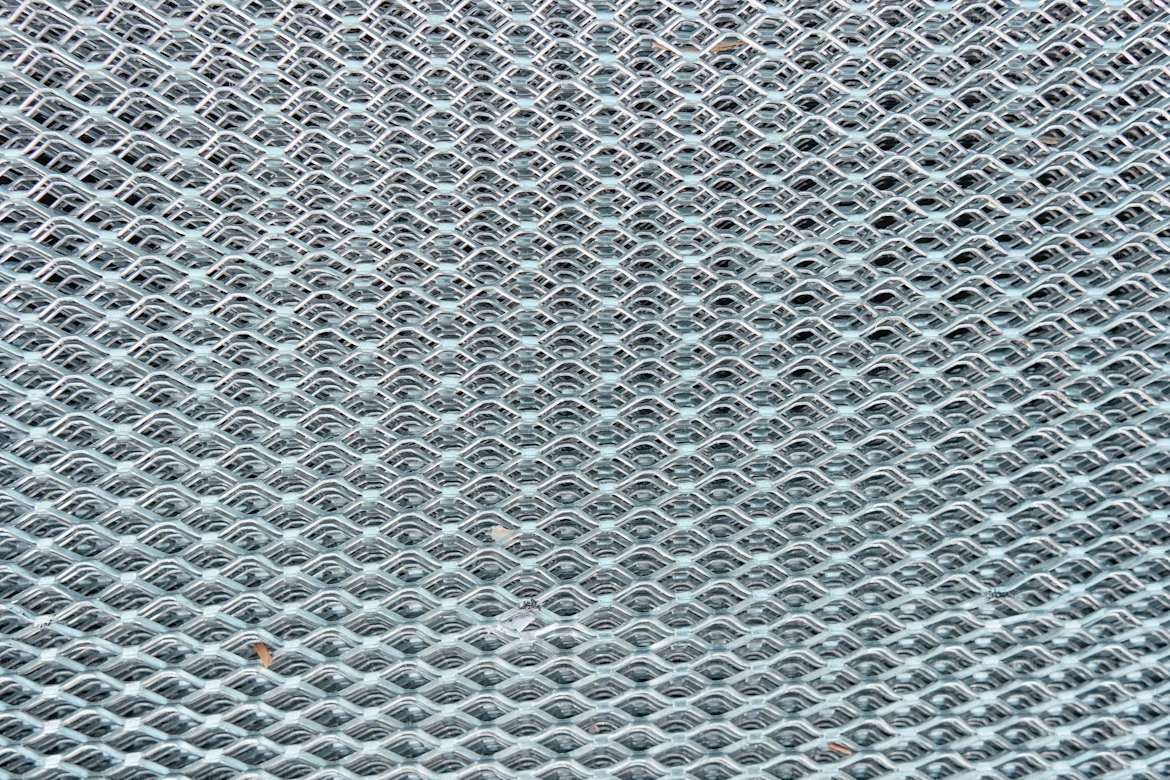
Mesh-embedded glass offers an escape from this tension. The aesthetic quality of metallic mesh embedded in glass is genuinely striking. The way it interacts with light changes through the day as sun angle and intensity vary, creating a facade surface that is dynamic and visually interesting without being distracting. The range of mesh materials, weave patterns, wire diameters, and surface treatments available allows the aesthetic character of the glass to be specified alongside its performance characteristics rather than trading one for the other.
This aesthetic quality is not incidental to the sustainability argument. Buildings that are genuinely beautiful as well as genuinely sustainable are maintained and valued over longer periods. The human desire to preserve and enhance an environment that is appreciated aesthetically supports the longevity of the building and the sustainability of the investment it represents.
Integration With Green Building Certification
Mesh-embedded glass contributes to multiple credit categories within the green building certification frameworks that are increasingly mandatory or strongly incentivised in Dubai's commercial property market.
Energy performance credits, which reward glazing systems that contribute to a lower cooling load and reduced energy consumption, are directly supported by the solar control performance of the mesh layer. Indoor environmental quality credits, which assess the quality of natural daylight and visual comfort provided to building occupants, are supported by the glare control and diffusion characteristics. Materials and resources credits, which evaluate the durability and recyclability of specified materials, are supported by the longevity and recyclability of both the glass and the metallic mesh components.
For developers and building owners pursuing LEED, BREEAM, or the Pearl Rating System applicable across the UAE, understanding how each specified material contributes to the overall certification score is an important part of the specification process. This glazing solution earns its position in this analysis through genuine and measurable performance contributions rather than through marketing claims.
Working With Safin Glass on Specifications
The specification of metal mesh lamination services for a sustainable building project involves decisions across multiple dimensions, including mesh material, density, surface treatment, glass type, interlayer specification, and the overall glazing system into which the laminated panel is integrated.
At Safin Glass, we bring the technical understanding to support these decisions from the earliest design stage, providing performance data, sample materials, and specification guidance that allows architects and developers to make informed choices that serve both the aesthetic and the environmental ambitions of their projects. Our supply relationships with specialist manufacturers ensure that the products we specify are available at the quality and quantity required to meet commercial project timelines.
If you are working on a building project in Dubai or the wider region where sustainable facade performance is a design priority, we would welcome the opportunity to discuss how this glazing solution might contribute to your specific project requirements.
Final Thought
Metal mesh laminated glass earns its place in sustainable building design through performance rather than positioning. Its solar control characteristics, daylighting quality, durability, and aesthetic integrity all contribute genuinely to the environmental and human performance of the buildings that specify it. In Dubai's market, where both design ambition and sustainability requirements are consistently high, it represents a specification choice that serves both without compromise. Safin Glass is here to help you understand and access this material for your next project.
Frequently Asked Questions
Q1. How does metal mesh laminated glass improve a building's energy performance?
The metallic mesh embedded in the glass reduces solar heat gain through the facade, lowering the cooling load on air conditioning systems and contributing to measurably lower energy consumption over the building's operational lifetime.
Q2. Does the mesh affect the transparency of the glass?
The mesh is visible within the glass but does not eliminate transparency. The degree of visual transparency depends on the mesh density and wire diameter specified, ranging from a barely perceptible diffusion to a more structured visual pattern.
Q3. How durable is this glazing solution in Dubai's climate?
The mesh is fully encapsulated within the glass layers and protected from direct environmental exposure. The glass itself is highly durable in Dubai's UV-intense climate, and the panel can be expected to maintain its performance and appearance over the full service life of the building.
Q4. What green building certifications does this glazing solution support?
It contributes to energy performance, indoor environmental quality, and materials credits across major certification frameworks including LEED, BREEAM, and the Pearl Rating System, through its solar control performance, glare reduction characteristics, and material durability.
Q5. Does Safin Glass supply and install metal mesh glass panels for commercial projects in Dubai?
Yes. Safin Glass supplies and specifies architectural glass solutions incorporating metallic mesh for commercial, hospitality, and residential projects across Dubai and the wider UAE, with technical support from design stage through to delivery and installation.