
GLASS & ALUMINUM
BLOG
Why Quality Matters in Fabric Mesh Lamination Services
Fabric mesh lamination has become an increasingly important solution in modern architectural and interior applications. From commercial buildings and office partitions to decorative interiors and safety-enhanced glass systems, laminated mesh materials provide a combination of strength, aesthetics, and functionality. As modern construction trends continue evolving toward innovative and visually appealing materials, fabric mesh lamination is being widely adopted across residential and commercial projects.
The quality of lamination plays a major role in determining the durability, appearance, safety, and long-term performance of the final product. Poor-quality lamination can lead to visible defects, structural weakness, reduced lifespan, and maintenance problems over time. On the other hand, high-quality fabrication ensures better visual consistency, stronger bonding, and improved reliability under different environmental conditions.
In modern architecture, clients expect materials that not only look attractive but also maintain performance standards over many years. This is why quality remains one of the most important factors when selecting fabric mesh lamination services.
Understanding Fabric Mesh Lamination
Fabric mesh lamination is a process in which decorative or functional mesh materials are embedded between layers of glass or other transparent surfaces using specialized bonding techniques.
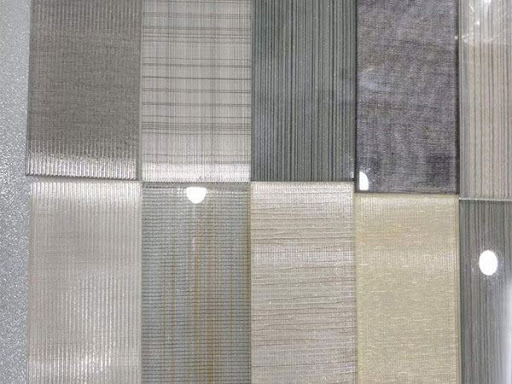
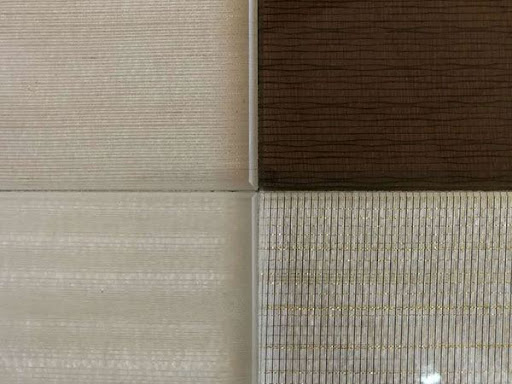
The laminated structure creates a durable and visually attractive panel that combines the transparency of glass with the texture and design flexibility of mesh materials. Different types of mesh patterns, metallic finishes, and fabric textures can be used depending on the project requirements.
This process is commonly used in architectural façades, decorative partitions, office interiors, stair railings, retail spaces, and luxury residential projects.
Importance of Precision in Lamination
The lamination process requires precise alignment, temperature control, pressure management, and material handling.
Even small inconsistencies during production can affect the appearance and structural performance of the final product. Air bubbles, uneven bonding, wrinkles, or misalignment may reduce both visual quality and durability.
High-quality fabrication ensures that the mesh remains evenly positioned and securely bonded within the laminated structure.
Precision also contributes to cleaner finishes and a more professional appearance.
Durability and Long-Term Performance
One of the biggest reasons quality matters in fabric mesh lamination is long-term durability.
Architectural materials are constantly exposed to environmental conditions such as heat, humidity, sunlight, and mechanical stress. Poor-quality lamination may weaken over time, causing separation, discoloration, or visible defects.
High-quality laminated mesh systems are designed to withstand these conditions while maintaining their structural integrity and visual appeal.
Durable materials reduce the need for repairs and replacements, making them more cost-effective over the long term.
Transform Your Space with Premium Architectural Glass
Custom laminated, decorative & luxury glass solutions for villas, hotels and commercial projects.
Safety and Structural Reliability
Laminated glass systems often contribute to safety within buildings and interiors.
The lamination layer helps hold the glass together even if breakage occurs, reducing the risk of dangerous shards. When fabric mesh is properly integrated within the laminated structure, it enhances both stability and impact resistance.
Low-quality lamination may compromise this protective function and increase safety risks.
Professional fabrication standards ensure reliable bonding and compliance with safety requirements.
Visual Consistency and Aesthetic Appeal
Modern architectural design places strong emphasis on visual quality and detail.
Fabric mesh lamination is frequently used in luxury projects where aesthetics are extremely important. Uneven finishes, trapped particles, or inconsistent textures can negatively affect the final appearance.
High-quality production ensures uniform transparency, clean edges, and balanced texture alignment throughout the panel.
Consistent visual quality contributes significantly to the sophistication and elegance of modern interiors and façades.
Resistance to Environmental Conditions
In regions with hot climates and high humidity levels, laminated materials must resist environmental stress effectively.
Heat exposure, moisture, and UV radiation can affect poor-quality laminated panels over time, leading to discoloration or adhesive failure.
Premium lamination techniques and materials improve resistance to weather conditions and support long-term stability in demanding environments.
This is especially important for exterior architectural applications and high-traffic commercial spaces.
Customization and Design Flexibility
High-quality fabric mesh lamination services offer greater design flexibility.
Architects and designers often require customized textures, metallic finishes, transparency levels, and decorative patterns to achieve specific visual concepts.
Professional fabrication allows precise customization without compromising structural performance or appearance.
This flexibility supports creative architectural solutions while maintaining consistent quality standards.
Energy Efficiency and Light Control
Modern laminated mesh systems can also contribute to energy efficiency within buildings.
Depending on the mesh material and design, laminated panels may help reduce glare, control sunlight, and improve indoor comfort.
High-quality manufacturing ensures that these functional benefits are maintained consistently across large installations.
Properly fabricated systems can support sustainable building designs while enhancing visual comfort.
Importance of Material Selection
The quality of raw materials directly affects the final performance of laminated products.
Glass quality, adhesive layers, mesh materials, and protective coatings must all meet high standards to ensure durability and appearance.
Using inferior materials may reduce bonding strength, clarity, and resistance to wear over time.
Professional fabricators prioritize reliable materials to achieve long-lasting and visually refined results.
Applications in Commercial Spaces
Fabric mesh laminated systems are widely used in commercial environments because they combine modern aesthetics with durability.
Hotels, offices, retail stores, airports, and corporate buildings frequently use laminated mesh panels for partitions, façades, decorative walls, and railings.
In commercial settings, quality is especially important because these installations experience continuous use and public visibility.
Reliable fabrication ensures professional presentation and long-term performance.
Applications in Residential Interiors
Residential interiors increasingly incorporate laminated mesh designs to create modern and elegant spaces.
Decorative partitions, staircase panels, shower enclosures, and feature walls often use laminated mesh for a more luxurious appearance.
Homeowners value materials that offer both visual appeal and durability, making quality fabrication essential for residential applications as well.
Maintenance and Cleaning Advantages
High-quality laminated surfaces are generally easier to maintain and clean.
Properly sealed and finished panels resist moisture, dust accumulation, and staining more effectively. This helps preserve appearance while reducing long-term maintenance requirements.
Poor-quality fabrication may create gaps or uneven surfaces where dirt and moisture accumulate over time.
Easy maintenance is especially valuable in commercial spaces with heavy daily usage.
Importance of Skilled Installation
Even the highest-quality laminated panels require professional installation for optimal performance.
Improper handling or incorrect installation techniques may damage panels or reduce structural reliability.
Experienced installation teams ensure accurate alignment, secure mounting, and proper integration within the architectural structure.
Professional installation also helps preserve the visual consistency of the overall design.
Role of Safin Glass
Safin Glass specializes in delivering modern glass and lamination solutions designed for contemporary residential and commercial projects.
The company focuses on combining precision craftsmanship, durable materials, and innovative fabrication techniques to create visually refined and reliable architectural systems. Their expertise includes customized glass applications, decorative installations, and advanced lamination services tailored to modern design requirements.
By maintaining strong quality standards throughout production and installation, Safin Glass helps clients achieve durable and aesthetically sophisticated results for a wide range of architectural applications.
Future Trends in Fabric Mesh Lamination
Architectural trends continue moving toward more advanced and sustainable materials.
Innovations in laminated glass technology are improving strength, transparency, energy efficiency, and customization capabilities. Smart glass integration, dynamic lighting effects, and eco-friendly materials are also becoming increasingly popular in modern design.
As architecture continues evolving toward visually striking yet functional spaces, demand for high-quality laminated mesh systems is expected to grow significantly.
Conclusion
Quality plays a critical role in fabric mesh lamination because it directly affects durability, safety, appearance, and long-term performance. High-quality lamination ensures stronger bonding, better resistance to environmental conditions, and more refined visual results.
Whether used in commercial façades, luxury interiors, or decorative architectural elements, professionally fabricated laminated mesh systems provide a balance of functionality and modern aesthetics.
With experienced companies like Safin Glass delivering precision craftsmanship and reliable solutions, architects, businesses, and homeowners can achieve durable and visually impressive results that support contemporary architectural standards and long-term performance.
Frequently Asked Questions
Why is quality important in fabric mesh lamination?
Quality affects durability, safety, appearance, and long-term structural performance.
Can poor lamination affect glass durability?
Yes, weak bonding and low-quality materials can lead to defects, separation, and reduced lifespan.
Where is fabric mesh lamination commonly used?
It is used in façades, office partitions, decorative walls, railings, and luxury interiors.
Does laminated mesh improve safety?
Yes, properly laminated systems help hold glass together and improve impact resistance.
Why choose Safin Glass for lamination services?
Safin Glass provides high-quality and customized glass solutions designed for modern architectural applications.